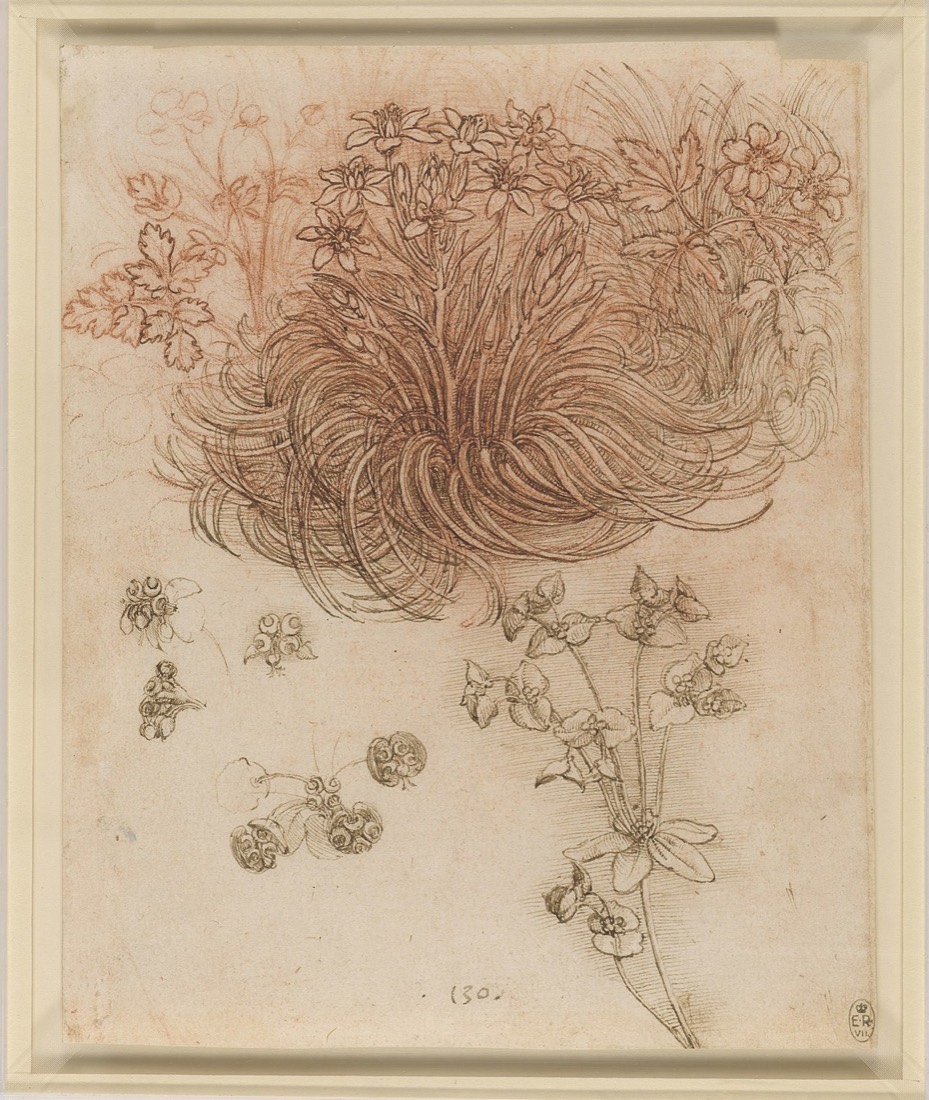
Ciclo DL
The organ that atrophies, the Madonna lifted in song, the desire that hesitates before the work—each is a threshold where one form of motion surrenders to another, and in that surrender, the body (whether flesh, marble, or yearning) discovers it was never single but already doubled, already a hinge between two tenses: the holding-on and the letting-go. The organ does not die; it folds into the architecture of the next breath. The Madonna’s ascent is not departure but transubstantiation—her earthly weight becoming celestial pressure, the same curve that lifts her dissolving into the choir’s note. And desire? It is the architect of hesitation, the draftsman’s pause between stroke and stroke; when it wins, the hand stills not from weakness but to let the unseen line form. All three are the same secret taught in three tongues: that atrophy is the mother of metamorphosis, that every lift is a fall slowed by air, that the thing which seems to weaken is only preparing to fly under a different law. The third thing they are about—the hidden fourth dimension—is time learning to read itself backward through the body’s ledger.