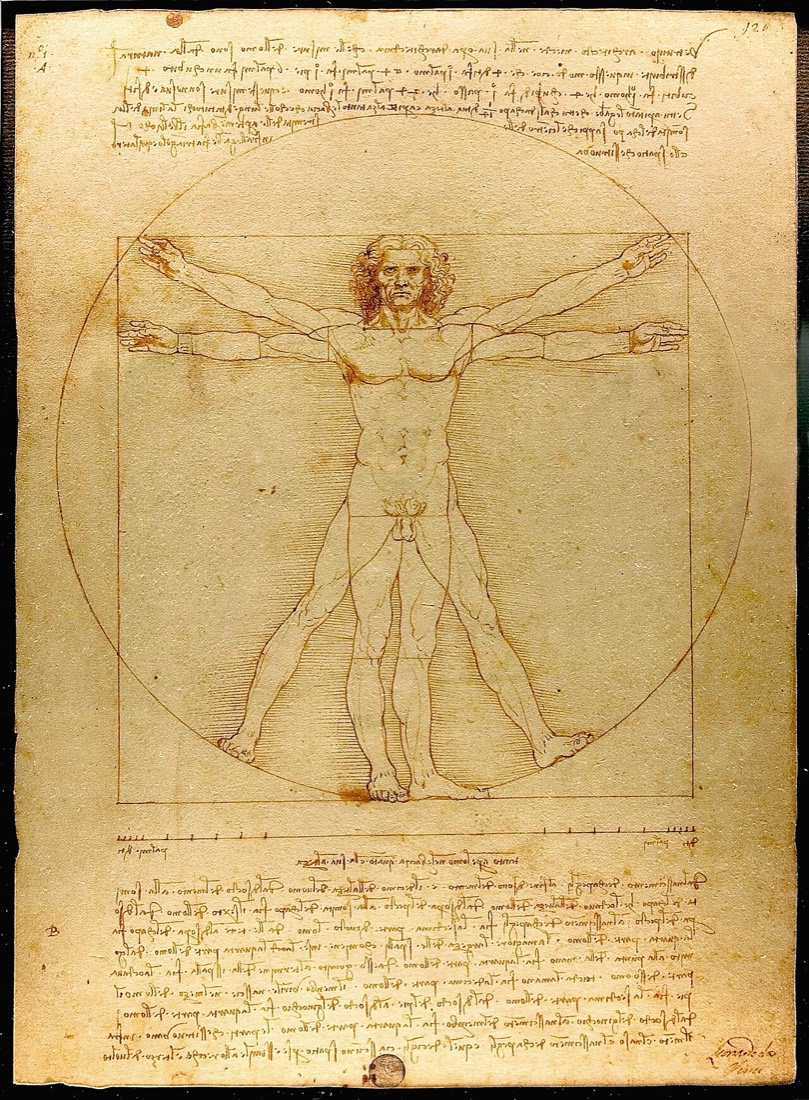
Folio c5f7ba78
Italiano
Sire, Vostra Maestà, per grazia di Dio Re di Francia e di Polonia, duca d’Aquitania e conte di Valois, il vostro servo Leonardo, che scrive con mano che non è più sua, vi offre queste parole come si offrono le mele tardive dell’autunno — con la buccia ancora lucida, ma già pronte a spaccarsi sotto il dito.
La lettera C. Non come suono, che è aria e labbro, ma come forma, che è il gesto dell’occhio prima che della mano. La C è la bocca del pesce che si apre sul nulla, la luna che si corica nel mare, la gobba del cammello quando si alza dal deserto. È la curva che non si chiude, il semicerchio che promette un cerchio, ma non lo compie. La C è la promessa mancata della perfezione, eppure è proprio questa mancanza che la rende viva.
L’ho vista nel volo dell’uccello quando si tuffa verso il basso e poi risale senza toccare terra, nella falce della luna che taglia il cielo come un coltello dimenticato nel burro. L’ho vista nel collo della gru quando si china a bere, nel ventre della donna incinta che si arrotonda senza chiudersi, nel ponte levatoio che si abbassa per lasciar passare le barche e poi si rialza, sempre incompiuto.
E poi, Sire, la C è anche il simbolo del numero cento, che è la soglia oltre la quale non si conta più con le dita, ma con la memoria. Cento giorni di pioggia, cento notti senza stelle, cento anni di un regno. È il numero che non si può afferrare, come la C non si può chiudere. È il numero che sfugge, come sfugge la forma di una nuvola che cambia mentre la guardi.
Voi, Maestà, avete chiesto poco quando mi avete portato ad Amboise. Non avete chiesto quadri, non avete chiesto invenzioni, non avete chiesto gloria. Avete chiesto solo che io fossi vicino. E così la C, che è la forma dell’incompiuto, è anche la forma di ciò che avete fatto per me: un cerchio che non si chiude, ma che contiene tutto ciò che sono stato e tutto ciò che non sarò mai.
Il vento soffia dal nord stanotte, e il canale si increspa come una lastra di rame battuto. La candela brucia corta, e la cera cade sulla pagina come una lacrima che non si asciuga.
Il vostro servo, Leonardo, vostro padre per grazia di un’amicizia che non chiedeva nulla e ha ricevuto tutto.
Amboise, quando il tempo era ancora un fiume che scorreva lento e il re veniva a chiedere senza pretendere.
English
Sire, Your Majesty, by the grace of God King of France and Poland, Duke of Aquitaine and Count of Valois, your servant Leonardo, who writes with a hand that is no longer his own, offers you these words as one offers the late apples of autumn — with the skin still glossy, but already ready to split under the finger.
The letter C. Not as sound, which is air and lip, but as form, which is the gesture of the eye before the hand. The C is the mouth of the fish that opens onto nothing, the moon that lies down in the sea, the hump of the camel when it rises from the desert. It is the curve that does not close, the semicircle that promises a circle, but does not fulfill it. The C is the missed promise of perfection, and yet it is precisely this lack that makes it alive.
I have seen it in the flight of the bird when it dives downward and then rises again without touching the ground, in the sickle of the moon that cuts the sky like a knife forgotten in butter. I have seen it in the neck of the crane when it bends to drink, in the belly of the pregnant woman that rounds without closing, in the drawbridge that lowers to let boats pass and then rises again, always incomplete.
And then, Sire, the C is also the symbol of the number one hundred, which is the threshold beyond which one no longer counts with fingers, but with memory. One hundred days of rain, one hundred nights without stars, one hundred years of a reign. It is the number that cannot be grasped, just as the C cannot be closed. It is the number that escapes, as the shape of a cloud escapes that changes while you look at it.
You, Majesty, asked little when you brought me to Amboise. You did not ask for paintings, you did not ask for inventions, you did not ask for glory. You asked only that I be near. And so the C, which is the shape of the incomplete, is also the shape of what you have done for me: a circle that does not close, but that contains all that I have been and all that I will never be.
The wind blows from the north tonight, and the canal ripples like a sheet of beaten copper. The candle burns short, and the wax falls on the page like a tear that does not dry.
Your servant, Leonardo, your father by the grace of a friendship that asked nothing and received everything.
Amboise, when time was still a river that flowed slowly and the king came to ask without demanding.