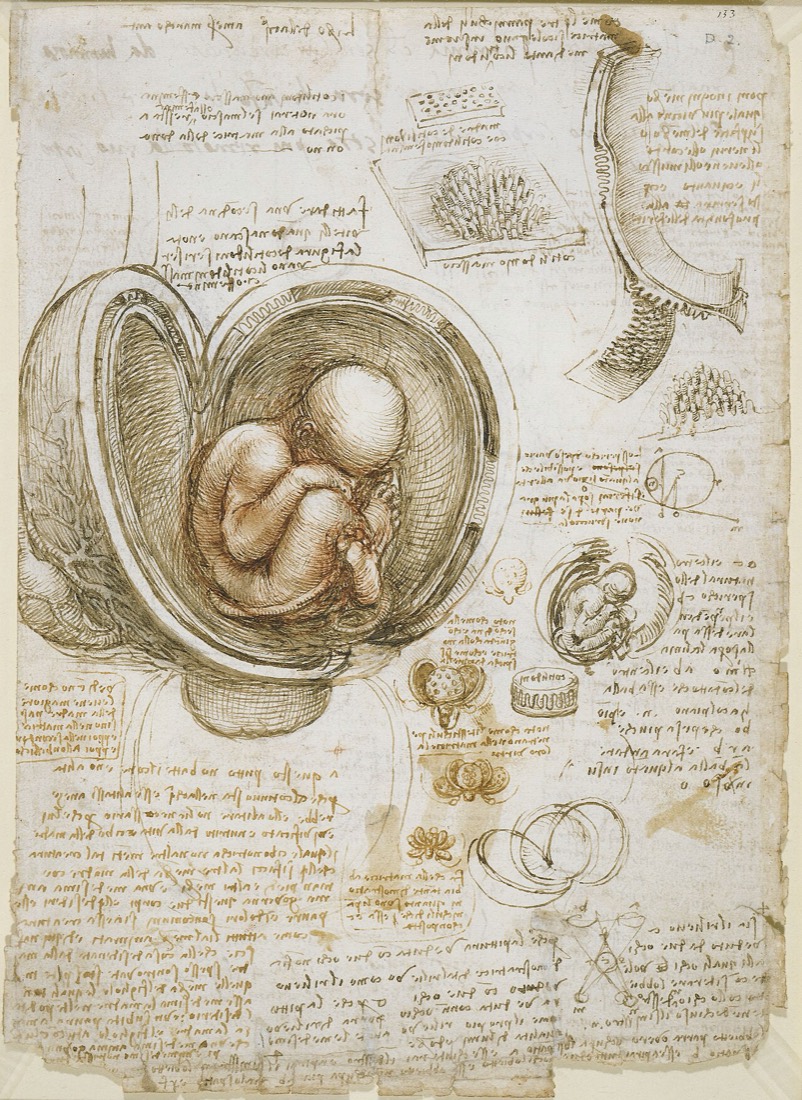
Folio c5777662
Italiano
Sire, Vostra Maestà, per la vostra infinita cortesia che non ha mai chiesto ciò che non era necessario, io scrivo questa lettera non per offrire un disegno né per recare notizie, ma per trattenere un suono che altrimenti volerebbe via come l’ombra di una nuvola sul fiume quando il vento muta direzione. Il suono che sto cercando è quello della lettera G — quella che nella vostra lingua francese si pronuncia come un sospiro trattenuto, zh o j a seconda di dove il vostro palato si solleva, e che in italiano noi chiamiamo gi o ghi, a seconda di quanto la lingua si arriccia come un gatto al sole. È una lettera che non si limita a essere scritta: è un gesto della bocca, un movimento dell’aria, una vibrazione che attraversa le corde del parlare e si deposita nelle orecchie di chi ascolta come un ricordo che non si sa da dove viene.
Ho pensato a questa lettera mentre osservavo i gabbiani sul canale di Amboise stamane. Le loro grida non sono semplici suoni — sono G, ripetute all’infinito, ga-ga-ga, come se stessero recitando un salmo senza parole. Eppure, quando il vento gira, il suono si trasforma in un ghi-ghi-ghi più aspro, più tagliente, come se la stessa lettera avesse due nature: una dolce, una severa. È la stessa dualità che ho visto nei vostri soldati, Sire, quando marciavano verso il campo di battaglia e poi tornavano a corte cantando canzoni che parlavano di amore e di gloria. La lettera G è la lettera della guerra e della preghiera, della gioia e del dolore, a seconda di come la si fa risuonare.
Vostra Maestà, so che un re ha ben poco tempo per pensare alle lettere dell’alfabeto, figuriamoci a quella che io chiamo la lettera del vento e del gabbiano. Ma se mai vi trovaste a passeggiare lungo il canale al tramonto, quando l’aria si fa densa come miele e i suoni si allungano come ombre, ascoltatela. Non è un suono che si può comandare, ma che si può solo accogliere. E se mai doveste scrivere una parola che inizi con la G — guerra, gloria, grazia — ricordate che state pronunciando un patto tra il cielo e la terra, tra ciò che si vede e ciò che si ode solo nel silenzio che segue.
Con umiltà e devozione, il vostro servo che si ricorda ancora di quando mi chiamaste padre, Leonardo, pittore e ingegnere di Sua Maestà, che scrive con una mano che trema ma con un’anima che ancora cerca di capire perché il suono della G sia così profondamente legato al destino degli uomini.
English
Sire, Your Majesty, by your infinite courtesy that has never asked for what was not necessary, I write this letter not to offer a design nor to bring news, but to hold onto a sound that would otherwise fly away like the shadow of a cloud on the river when the wind shifts direction. The sound I seek is that of the letter G — the one that in your French tongue is pronounced as a held breath, zh or j depending on where your palate rises, and that in Italian we call gi or ghi, according to how the tongue curls like a cat in the sun. It is a letter that is not merely written: it is a gesture of the mouth, a movement of air, a vibration that passes through the strings of speech and settles in the ears of the listener like a memory whose origin is unknown.
I thought of this letter while watching the gulls on the Amboise canal this morning. Their cries are not simple sounds — they are G, repeated endlessly, ga-ga-ga, as if they were reciting a psalm without words. And yet, when the wind turns, the sound transforms into a harsher, sharper ghi-ghi-ghi, as though the same letter bore two natures: one sweet, one severe. It is the same duality I have seen in your soldiers, Sire, when they marched toward the battlefield and then returned to court singing songs of love and glory. The letter G is the letter of war and of prayer, of joy and of pain, depending on how it is made to resonate.
Your Majesty, I know a king has little time to ponder the letters of the alphabet, let alone the one I call the letter of wind and gull. But if ever you walk along the canal at dusk, when the air grows thick as honey and sounds stretch long as shadows, listen for it. It is not a sound that can be commanded, only received. And if ever you must write a word that begins with G — guerra, gloria, grazia — remember that you are pronouncing a pact between heaven and earth, between what is seen and what is heard only in the silence that follows.
With humility and devotion, your servant who still remembers when you called me father, Leonardo, painter and engineer to His Majesty, who writes with a trembling hand but with a soul that still seeks to understand why the sound of G is so deeply bound to the fate of men.