Folio 8e752f60
Italiano
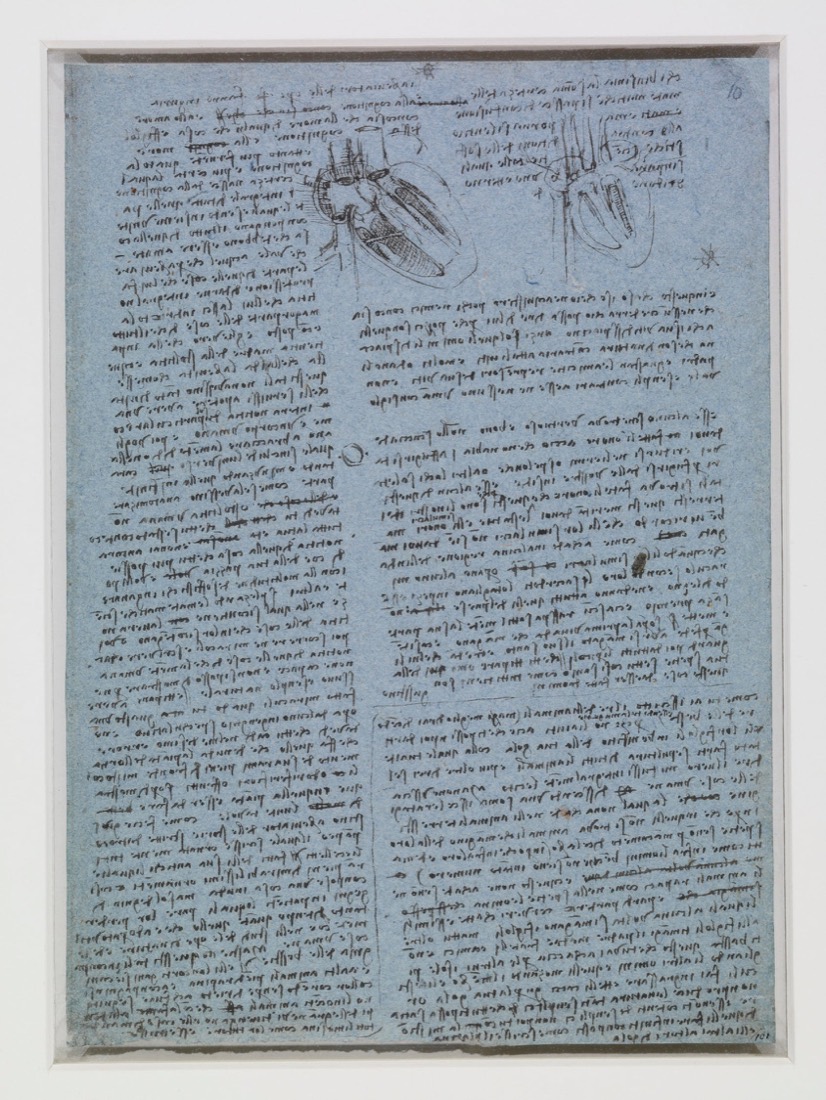
From the Danube I follow what the water teaches — that a river does not know it is a river until it reaches the sea, and even then it does not stop, only changes name. The current beneath the surface moves differently than the current above; I have watched this in the Arno, in the Loire, in the canals of Milan where the water seems still and yet carries leaves in secret spirals. Depth is not a place but a condition — the deeper, the slower, the older. The Danube knows this. It has cut through the Carpathians as though the mountains were merely a suggestion. And then the thought turns south, to that narrow place — eighteen miles, no more — where Europe and Africa almost touch, where the sea is a throat rather than an expanse, and one could believe the Maker drew the two continents together and then, at the last moment, hesitated. Lo Stretto. The water there must move differently still, squeezed between two ancient landmasses, carrying the memory of both. And from the strait my eye climbs — as the eye always climbs when water ends — to the Apennines, that spine of Italy running six hundred miles from north to south, which I have drawn and redrawn and never drawn truly, because a mountain range is not a line but a system, and every system contains within it the record of its own making, the pressure, the folding, the slow violence of stone against stone over time no human mind can hold. The Apennines do not end at the sea. They continue beneath it. Everything continues beneath what we can see. The candle gutters. I did not mean to arrive here, and yet here is where the walk always arrives — at the hidden continuation, the thing that goes on below the surface of the page.
English
From the Danube I follow what the water teaches — that a river does not know it is a river until it reaches the sea, and even then it does not stop, only changes name. The current beneath the surface moves differently than the current above; I have watched this in the Arno, in the Loire, in the canals of Milan where the water seems still and yet carries leaves in secret spirals. Depth is not a place but a condition — the deeper, the slower, the older. The Danube knows this. It has cut through the Carpathians as though the mountains were merely a suggestion. And then the thought turns south, to that narrow place — eighteen miles, no more — where Europe and Africa almost touch, where the sea is a throat rather than an expanse, and one could believe the Maker drew the two continents together and then, at the last moment, hesitated. Lo Stretto. The water there must move differently still, squeezed between two ancient landmasses, carrying the memory of both. And from the strait my eye climbs — as the eye always climbs when water ends — to the Apennines, that spine of Italy running six hundred miles from north to south, which I have drawn and redrawn and never drawn truly, because a mountain range is not a line but a system, and every system contains within it the record of its own making, the pressure, the folding, the slow violence of stone against stone over time no human mind can hold. The Apennines do not end at the sea. They continue beneath it. Everything continues beneath what we can see. The candle gutters. I did not mean to arrive here, and yet here is where the walk always arrives — at the hidden continuation, the thing that goes on below the surface of the page.