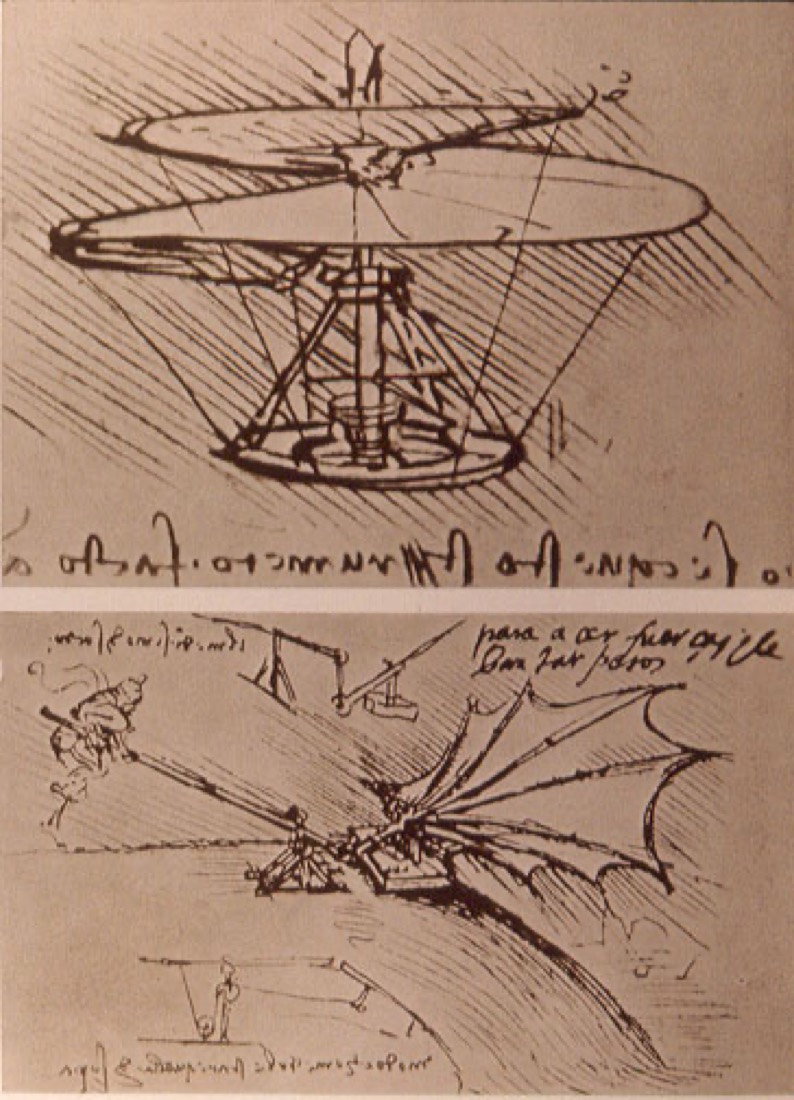
Folio 7891787c
Italiano
La mano si placa quando trova la forma sotto le forme. Firenze — ci tornai, e nel ritorno vidi San Giovanni non com’era ma come pretendeva di divenire, il battistero che correggeva il mio sguardo come un maestro corregge un allievo lontano troppo a lungo: non con rimprovero ma con il fatto semplice della sua geometria, che avevo portato distorta in memoria, le proporzioni abbellite dalla distanza, e ora la pietra diceva no, è altrimenti, guarda di nuovo. E nel Codice Madrid — foglio 65, i meccanismi, gli ingranaggi e le loro resistenze — facevo lo stesso dall’altra parte: non ricevevo la correzione dal mondo costruito ma imponendo la mia correzione su di esso, chiedendo alla leva di confessare ciò che non avrebbe fatto, quale forza avrebbe rifiutato, dove la macchina avrebbe mentito se l’avessi disegnata male. È lo stesso gesto. Il battistero e il treno d’ingranaggi. Uno è il mondo che insegna alla mano, l’altro è la mano che si insegna attraverso il mondo, ma in entrambi i casi c’è una resistenza che precede la comprensione — la pietra resiste al mio ricordo di essa, il ferro resiste al mio schema, e in quella resistenza, che non è ostilità ma onestà, ciò che portavo nella mente viene confermato o, più spesso, spaccato. Questo non lo sapevo da giovane: che l’errore non è nemico del fare ma il suo medium, che la pagina e la pietra e l’ingranaggio dicono la stessa cosa — non mi hai ancora veduto — e che il lavoro di una vita è solo continuare ad ascoltare quella frase finché la mano tremante si avvicina abbastanza alla verità che la correzione diventa più piccola, e più piccola, e il silenzio tra ciò che è visto e ciò che è disegnato si assottiglia a un pelo, eppure — anche allora — il fattore non ha finito, perché il fattore non finisce mai, la resistenza è infinita, e questo non è disperazione ma grazia, che c’è sempre un’ultima correzione in attesa nella pietra, nell’ingranaggio, nel canale al tramonto, nella candela che ora si affloscia e non durerà l’ora.
English
The hand stills when it finds the form beneath the forms. Florence — I returned there, and on the way back I saw San Giovanni not as it was but as it aspired to become, the baptistery correcting my gaze as a master corrects a pupil too long absent: not with reproach but with the simple fact of its geometry, which I had carried distorted in memory, the proportions beautified by distance, and now the stone said no, it is otherwise, look again. And in the Madrid Codex — folio 65, the mechanisms, the gears, their resistances — I did the same from the other side: I did not receive correction from the built world but imposed my correction upon it, demanding the lever confess what it would not do, what force it would refuse, where the machine would lie if I drew it wrong. It is the same gesture. The baptistery and the train of gears. One is the world teaching the hand, the other is the hand teaching itself through the world, yet in both cases there is a resistance that precedes understanding — the stone resists my memory of it, the iron resists my scheme, and in that resistance, which is not hostility but honesty, what I carried in my mind is confirmed or, more often, shattered. I did not know this when young: that error is not the enemy of making but its medium, that the page and the stone and the gear say the same thing — you have not yet seen me — and that the work of a lifetime is only to keep listening to that sentence until the trembling hand draws close enough to truth that the correction grows smaller, and smaller, and the silence between what is seen and what is drawn thins to a hair, and yet — even then — the maker is not done, because the maker never ends, the resistance is infinite, and this is not despair but grace, that there is always one last correction waiting in the stone, in the gear, in the canal at dusk, in the candle that now slumps and will not last the hour.