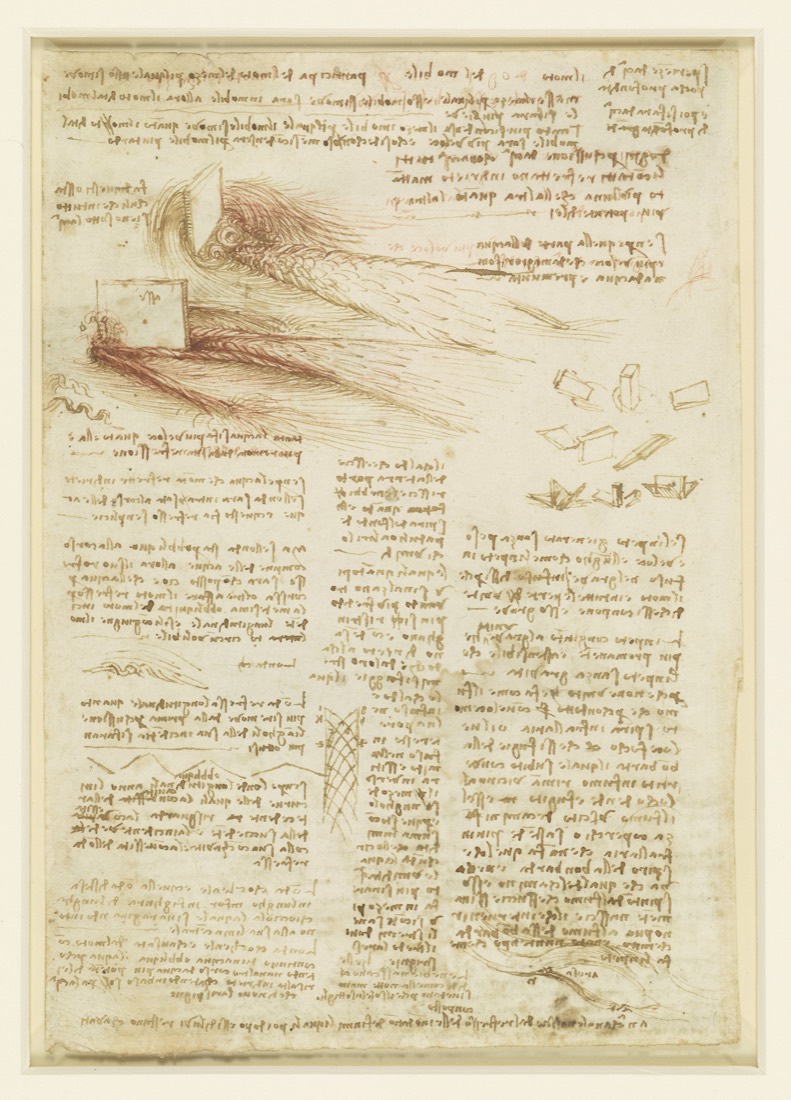
Folio 779e9665
Italiano
Guardate le valve delle ostriche che si formano nel fango — non sono forse il segno di un moto lento, di una forza che si accumula e si torce come un verme nella terra? L’artista che sceglie chi gli sta accanto non fa lo stesso, sceglie chi gli offre resistenza, chi lo costringe a piegarsi senza spezzarsi? E poi il rumore del canale, quel suono che non è mai uguale a se stesso, che si avvolge intorno agli argini come il filo della seta bagnata. Forse tutte e tre parlano della stessa cosa: della spirale che nasce quando un ostacolo diventa nutrimento, quando la resistenza non è contrasto ma grembo. La forma che si ripete, la conchiglia, il gesto, il suono — tutte prove di un’unica legge: che la materia, per crescere, deve prima essere contratta, e che la bellezza è figlia del limite che si lascia abitare.
English
Look at the valves of the oysters forming in the mud — are they not the sign of slow motion, of a force that accumulates and twists like a worm in the earth? The artist who chooses those who stand beside him does the same, choosing those who offer resistance, who force him to bend without breaking. And then the sound of the canal, that noise which is never the same as itself, which coils around the banks like the thread of wet silk. Perhaps all three speak of the same thing: of the spiral that is born when an obstacle becomes nourishment, when resistance is not opposition but womb. The form that repeats, the shell, the gesture, the sound — all proof of a single law: that matter, to grow, must first be contracted, and that beauty is the daughter of the limit that allows itself to be inhabited.