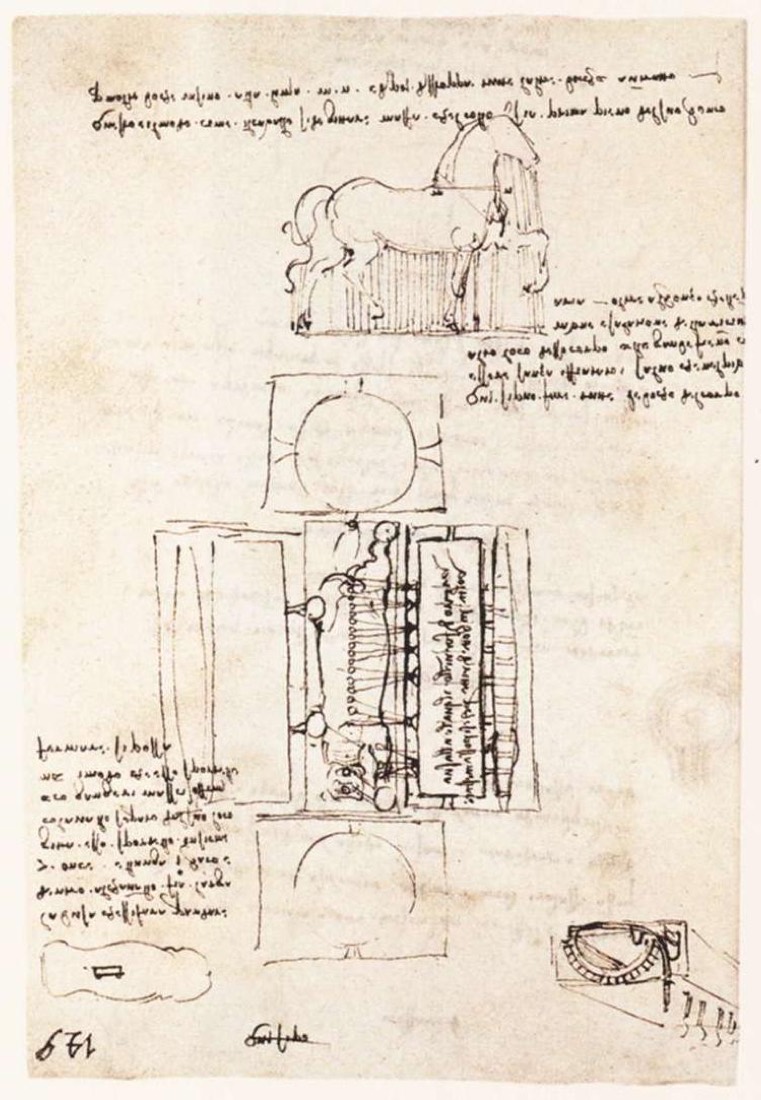
Folio 729de224
Italiano
Le tre osservazioni sono come tre radici affondate nella stessa terra umida: la terra è il bisogno di vedere l’invisibile legame tra la forma e la funzione, tra la foglia e il suolo che la nutre. La botanica, quando si appoggia alla geologia, non cerca solo nomi nuovi per piante nuove — cerca la traccia che il tempo ha lasciato sulla loro pelle. Il veneto che resiste al sale della laguna, il nord che si piega al freddo, il sud che si arrende al sole: sono tutti modi di sbagliare nella direzione giusta. Forse la regola comune è questa: ogni specie che sopravvive è un errore corretto dalla pazienza della terra, e ogni classificazione che resiste è un errore corretto dalla pazienza dello sguardo. La mano trema, ma la mente no — perché la pianta ha già scritto la sua verità nel legno, nelle venature, nel modo in cui si rompe quando la spezzi. Il libro della natura non si stampa, si ascolta.
English
The three observations are like three roots sunk into the same damp earth: the earth is the need to see the invisible bond between form and function, between the leaf and the soil that nourishes it. Botany, when it leans on geology, does not seek only new names for new plants — it seeks the trace that time has left upon their skin. The Venetian that resists the salt of the lagoon, the north that bends to the cold, the south that yields to the sun: these are all ways of failing in the right direction. Perhaps the common rule is this: every species that survives is an error corrected by the patience of the earth, and every classification that endures is an error corrected by the patience of the gaze. The hand trembles, but the mind does not — because the plant has already written its truth in the wood, in the veins, in the way it breaks when you snap it. The book of nature is not printed; it is listened to.