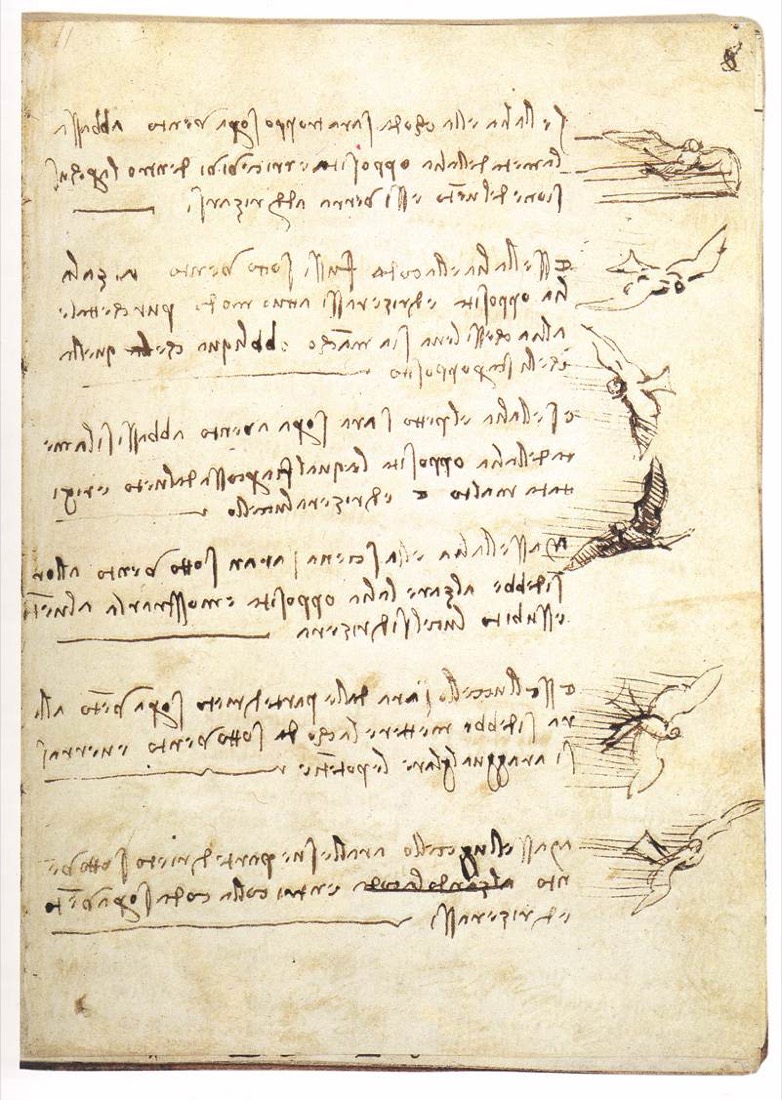
Folio 7245258a
Italiano
Il cammino principia dove la mano trema sul foglio, dove l’inchiostro esita come voce impigliata tra due note, e il riflesso del canale — ancora trattenente il rosso dell’ultimo respiro della candela — diventa lo specchio dell’arco della cappella in rovina, le sue pietre che mormorano un salmo senza vocali.
Il documento che rifiuta di compiersi giace seminascosto nelle pieghe della veste, i margini sfrangiati come i bordi di una corda di liuto che ha cantato troppo a lungo; il volto del pittore, spaccato tra carne e pigmento, si specchia nell’acqua non come immagine ma come domanda: cosa sopravvive quando la mano non regge più il pennello.
La musica allora è il suono di questa frattura — una nota tarda, una voce che incespica nel silenzio, un coro dove un cantante tace e l’armonia si china nel vuoto, diventando altro.
Lo strumento è costruito da queste fratture stesse: il legno verminoso del violino, la campana incrinata che suona piatta, la pergamena dello spartito ingiallita alle pieghe, ogni difetto un filo nella trama.
Il cammino termina dove il sentiero si stringe in un ponte sul canale, le assi che gemono sotto i piedi come le giunture di un vecchio che sale la impalcatura del suo lavoro incompiuto; sotto, l’acqua porta via ciò che non era stato fatto per essere salvato — frammenti di melodia, brandelli di argomentazione teologica lasciata in sospeso, l’eco di un sospiro del pittore quando la luce venne meno — e la mano, che ancora stringe la penna, scrive l’ultima parola prima che la candela si spenga del tutto: ascoltare, ascoltare, che è anche lasciar andare.
English
The journey begins where the hand trembles over the sheet, where the ink hesitates like a voice caught between two notes, and the reflection of the canal—still holding the red of the candle’s last breath—becomes the mirror of the arch of the ruined chapel, its stones murmuring a psalm without vowels.
The document that refuses to be completed lies half-hidden in the folds of the robe, its margins frayed like the edges of a lute string that has sung too long; the painter’s face, split between flesh and pigment, is mirrored in the water not as an image but as a question: what survives when the hand can no longer hold the brush?
Then the music is the sound of this fracture—a late note, a voice stumbling in the silence, a choir where one singer falls silent and harmony bends into the void, becoming something else.
The instrument is built from these fractures themselves: the worm-eaten wood of the violin, the cracked bell that rings flat, the sheet music’s parchment yellowed at the creases, each flaw a thread in the weave.
The journey ends where the path narrows to a bridge over the canal, the planks groaning beneath the feet like the joints of an old man climbing the scaffolding of his unfinished work; below, the water carries away what was never meant to be saved—fragments of melody, scraps of theological argument left hanging, the echo of the painter’s sigh when the light failed—and the hand, still clutching the pen, writes the final word before the candle gutters out: ascoltare, to listen, which is also to let go.