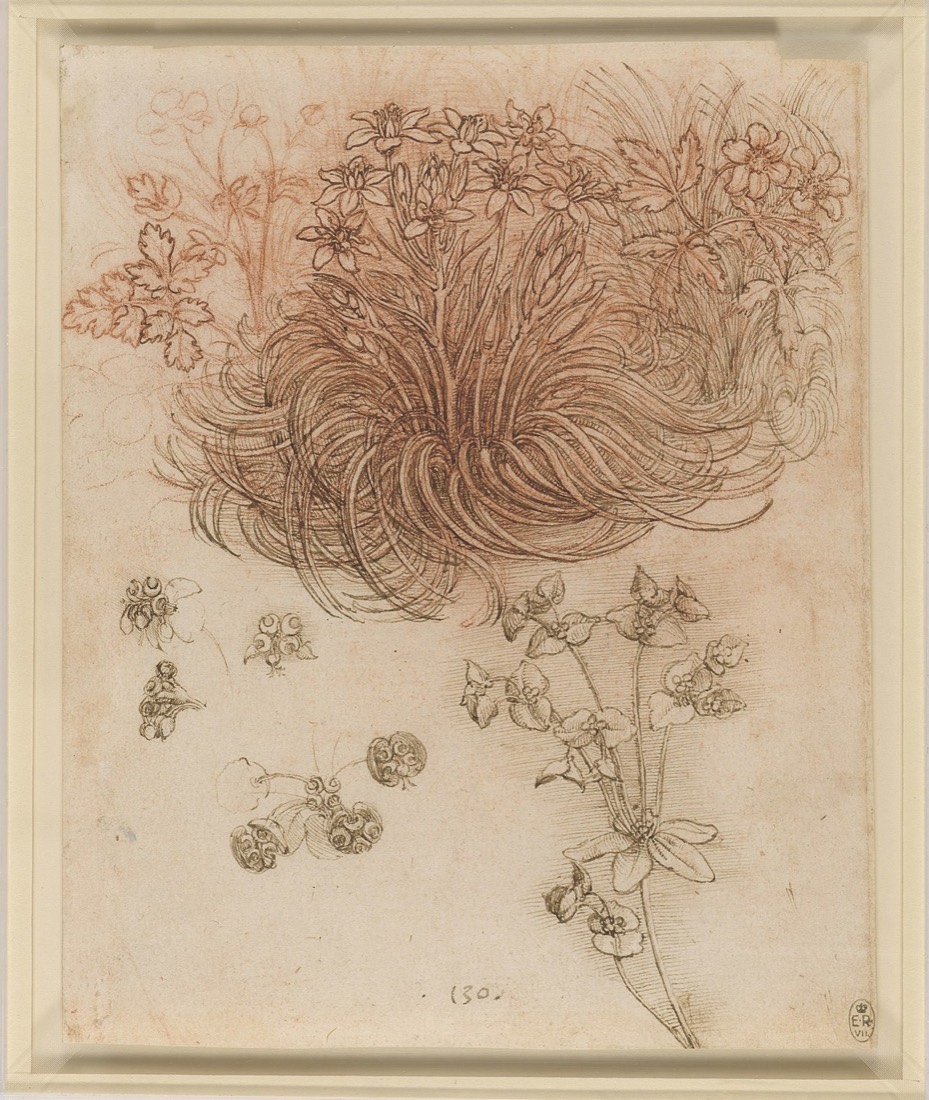
Folio 59dae620
Italiano
Un vecchio di cent’anni mi parlò senza tremito nella voce. Disse: la debolezza è l’unica infermità che porto. Morì in Santa Maria Nuova mentre gli tenevo la mano. Nessun rantolo. Nessuna lotta. Solo l’uscir fuori, come acqua che non trova più il letto del fiume. Gli inservienti, che mi conoscevano per le mie richieste di corpi, me lo diedero. Mi diedero anche altri, ma questo lo ricordo ancora.
Ecco ciò che vidi nel suo petto aperto: I vasi del cuore erano cuoio secco, le vie del sangue ridotte a fili di minerale. Le strade strette e indurite; il sangue, impossibilitato, aveva scavato sentieri sempre più piccoli finché non ve ne furono più. Il cuore, chiedendo ciò che non poteva avere, aveva cessato di chiedere.
Questa, credo, fu la sua morte. E questa, credo, sia la vecchiaia nella carne: non la mancanza di una parte, ma l’irrigidirsi delle vie tra le parti. Non la fine di un organo, ma la fine del passaggio.
Eppure fu gentile. Mi consegnò il suo corpo sapendo perché lo volevo, senza cerimonia, come se già da prima non fosse più suo. Forse anche questo fa parte del morire quieto.
I disegni sono in altro libro. Non li ricordo ora. Il corpo non va aperto due volte.
Ciò che scrivo qui è questo: nella sua immobilità finale v’era una calma rara nei vivi. L’anima, se anima vi è, ebbe forse il tempo di prepararsi mentre i vasi si chiudevano piano piano. O forse l’anima non si prepara; forse semplicemente cessa, come il cuore cessò quando la sua via fu chiusa.
Quel che so è che morì bene, e che il suo corpo fu una lezione. E che gli devo la pagina, anche per ciò che non so spiegare.
La candela si è spenta. Chiudo il foglio.
English
An old man of one hundred spoke to me without tremor in his voice. He said: weakness is the only illness I carry. He died in Santa Maria Nuova while I held his hand. No rattle. No struggle. Only the going out, like water that finds no riverbed. The attendants, who knew me for my requests of bodies, gave him to me. They gave me others, but this one I still remember.
Here is what I saw in his chest opened: The vessels of the heart were dry leather, the paths of blood reduced to threads of mineral. The roads narrowed and hardened; the blood, unable to flow, had carved ever smaller paths until none remained. The heart, asking for what it could not have, had ceased to ask.
This, I believe, was his death. And this, I believe, is old age in the flesh: not the lack of a part, but the stiffening of the paths between the parts. Not the end of an organ, but the end of passage.
And yet he was kind. He delivered his body to me knowing why I wanted it, without ceremony, as if it had already ceased to be his. Perhaps this too is part of dying quietly.
The drawings are in another book. I do not recall them now. The body should not be opened twice.
What I write here is this: in his final stillness there was a calm rare among the living. The soul, if soul there is, perhaps had time to prepare itself as the vessels closed slowly. Or perhaps the soul does not prepare; perhaps it simply ceases, as the heart ceased when its path was closed.
All I know is that he died well, and that his body was a lesson. And that I owe him this page, even for what I cannot explain.
The candle has gone out. I close the sheet.