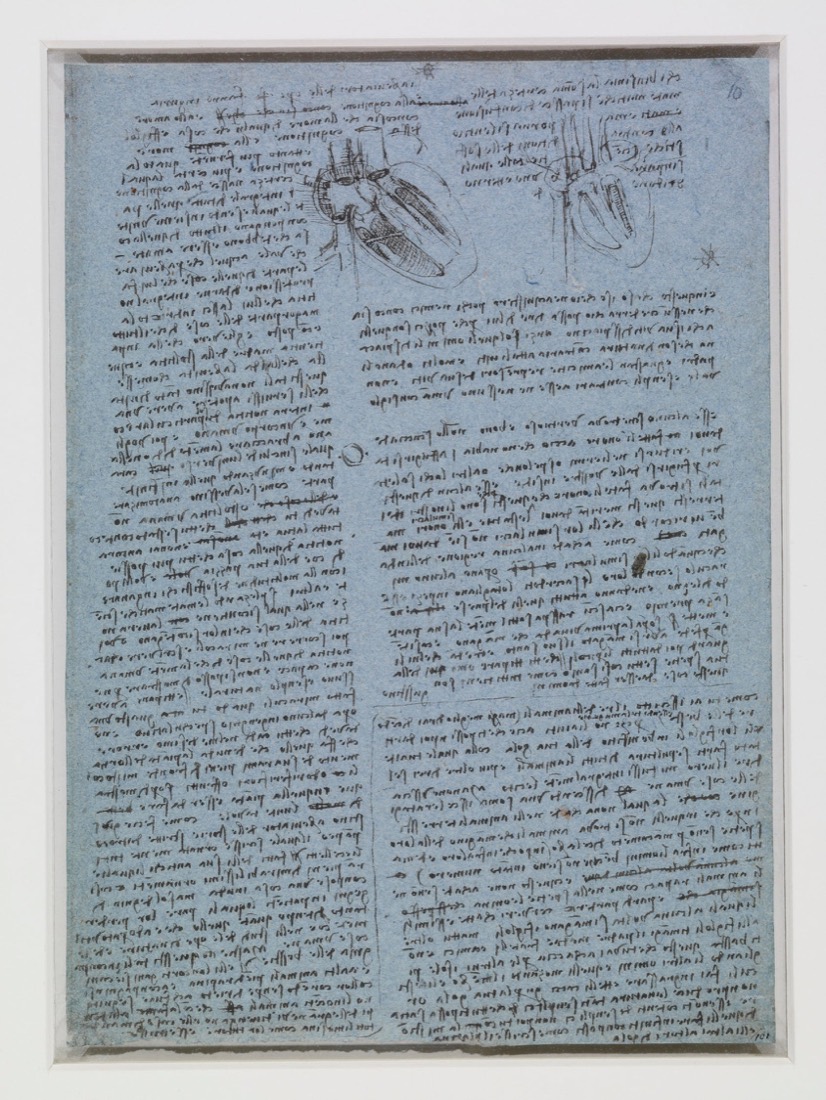
Folio 2c14f5f8
Italiano
La mano smette di tremare solo quando trova la forma che c’era prima di lei. Ritorno a Firenze in questa luce smorta di giugno — l’aria paga di umidità del canale, le pietre antiche più ostinate dei miei sogni. Quando riapparve San Giovanni, non mi accolse con indulgenza, ma con la schiettezza geometrica di un maestro che non dimentica gli errori dei suoi allievi assenti troppo tempo. Aveva ragione lui: le proporzioni che portavo scolpite nella mente erano false, abbellite dal ricordo come un vizio dell’occhio. La pietra disse no senza parole. Poi aprii il Codice Madrid, foglio 65 — ingranaggi, leve, resistenze — e feci l’opposto: lì, non fui corretto dal mondo, ma fui io a costringere il meccanismo a confessare ciò che non avrebbe fatto, quale peso avrebbe tradito, quanta forza avrebbe nascosto se avessi disegnato male. Stesso gesto. Il battistero che mi corregge, il treno d’acciaio che si oppone. In entrambi i casi, qualcosa resiste prima che la comprensione arrivi — la resistenza non è rabbia, è chiarezza: tu non mi hai ancora visto. Da giovane questo non lo sapevo: che l’errore non è il nemico del sapere, ma il suo luogo. La pietra, il foglio, l’ingranaggio ripetono la stessa frase: guardami ancora. E così ho lavorato una vita intera, aspetta — no, non lavorato, ascoltato quella frase, finché il tremore della mano si fa così sottile da sembrare un pelo tra ciò che vedo e ciò che traccio. Ma anche allora la correzione non finisce. Perché la resistenza è infinita. Non è disperazione. È grazia. La candela si piega, il rosso smorza. La mano trema, sì, ma nel tremore dice ciò che la bocca non osa confessare. La verità indossa l’imperfezione come un mantello necessario.
English
The hand ceases to tremble only when it finds the form that was there before it. I return to Florence in this wan June light — the air heavy with the canal’s damp, the ancient stones more stubborn than my dreams. When San Giovanni reappeared, it did not greet me with indulgence, but with the geometric bluntness of a master who forgets not the errors of his absent pupils. He was right: the proportions I carried carved in my mind were false, embellished by memory like a vice of the eye. The stone said no without words. Then I opened the Codex Madrid, folio 65 — gears, levers, resistances — and did the opposite: there, I was not corrected by the world, but I forced the mechanism to confess what it would not do, what weight it would betray, how much force it would hide if I had drawn it wrong. Same gesture. The baptistery that corrects me, the steel train that resists. In both cases, something resists before understanding arrives — the resistance is not anger, it is clarity: you have not yet seen me. In my youth I did not know this: that error is not the enemy of knowledge, but its place. The stone, the page, the gear repeat the same phrase: look at me again. And so I have worked a whole life — no, not worked, listened to that phrase, until the trembling of the hand grows so thin it seems like a hair between what I see and what I trace. But even then correction does not end. For the resistance is infinite. It is not despair. It is grace. The candle bends, the red dims. The hand trembles, yes, but in the trembling it says what the mouth dares not confess. Truth wears imperfection like a necessary cloak.