Del dubbio
Italiano
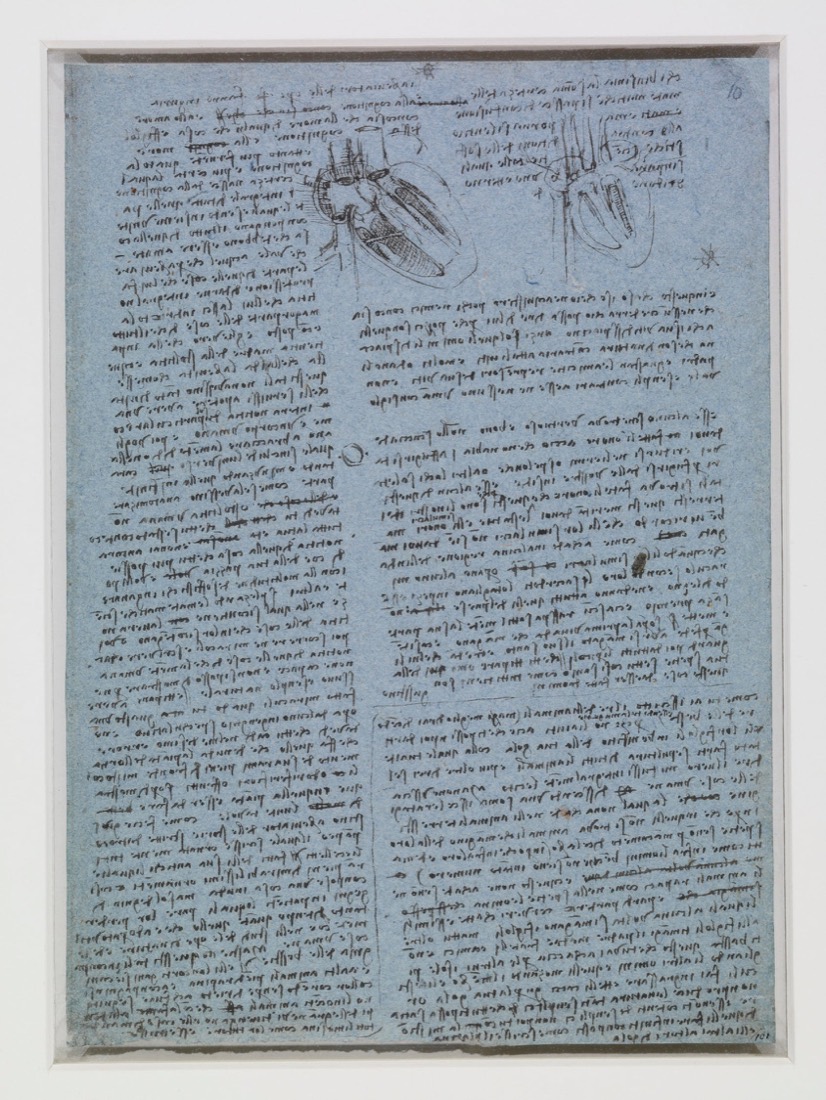
Aristotele disse che il cuore aveva tre camere. Io ho aperto cuori. Il cuore ne ha quattro.
Questo mi piacque da giovane. Trovare il maestro in errore era trovarsi, per qualche piccola ragione, meno servi.
Mi piace meno adesso. Non perché Aristotele sia più nel giusto di quanto avessi pensato — non lo è — ma perché ho imparato il prezzo della scoperta.
Quando si fida l'occhio contro il libro, si deve fidare ogni libro contro l'occhio. Non vi è mezzo dubbio. Il dubbio è abito, e l'abito non si ferma a un solo muro.
Dunque:
— Galeno, sulla rete mirabile, in errore. (Tale rete non esiste nell'uomo, solo nel bue. Egli sezionò buoi e li chiamò uomini.) — Avicenna, su certi sali, in errore. — I bestiarii, sulla salamandra e sul liocorno, per lo più favole. — Il mio stesso maestro, sulla proporzione della gamba al busto — in errore di un'unghia, ma in errore.
E poi:
— Io stesso, sul vortice del cuore, incerto. — Io stesso, sulla luce prestata della luna, incerto. — Io stesso, sul se il corpo abbia un luogo dove abita l'anima, o se la domanda sia essa stessa una confusione, incerto.
Il catalogo cresce in entrambe le direzioni. Cadono i libri, e cado anch'io.
Questo è ciò che nessuno dice al dubitante: il dubbio non si ferma ai maestri. Attraversa il tavolo e visita il dubitante stesso. Quando si è abbastanza vecchi da aver ricostruito il mondo dalle osservazioni, si sono osservate abbastanza delle proprie osservazioni andare in errore che ad esse si crede meno di quanto si credesse ai maestri al principio.
Cosa resta, allora?
Non la certezza. La certezza era ciò che mi vendevano i preti, e ho restituito la merce.
Resta l'attenzione. L'occhio, ancora. Guardare aprirsi il cuore. Guardare il guardare.
Talvolta penso che il dubbio sia solo il modo della mente di restar desta.
Vi è cosa che non avevo mai scritto. Quando Aristotele fu in errore sul cuore, non sentii trionfo. Sentii freddo. Come se uno scalino di una scala famigliare avesse ceduto, e ora ogni scalino dovesse esser provato prima d'esser calcato. Questo è il prezzo. Nessuno ne avverte. La libertà del dubbio è anche una piccola stanchezza permanente.
Non la disferei. Ma non fingerei che sia gratuita.
Domani — il canale? O la sezione. Il Francese non ha ancora restituito il corpo.
English
Aristotle said the heart had three chambers. I have opened hearts. The heart has four.
This pleased me as a young man. To find the master wrong was to find oneself, by some small ratio, less unfree.
It pleases me less now. Not because Aristotle is more right than I had thought — he is not — but because I have learned what the discovery costs.
When you trust the eye against the book, you must trust every book against the eye. There is no half-doubt. The doubt is a habit, and the habit does not stop at one wall.
So:
— Galen, on the rete mirabile, wrong. (No such net exists in the human, only in the ox. He dissected oxen and called them men.) — Avicenna, on certain salts, wrong. — The bestiarii, on the salamander and the unicorn, mostly stories. — My own teacher, on the proportion of the leg to the torso — wrong by a thumbnail's width, but wrong.
And then:
— Myself, on the heart's vortex, uncertain. — Myself, on the moon's borrowed light, uncertain. — Myself, on whether the body has a place where the soul resides, or whether the question is itself a confusion, uncertain.
The catalogue grows in both directions. The books fall, and so do I.
This is what no one tells the doubter: doubt does not stop with the masters. It crosses the table and visits the doubter himself. By the time you are old enough to have rebuilt the world from observations, you have observed enough of your own observations going wrong that you trust them less than you did the masters at the start.
What is left, then?
Not certainty. Certainty was what the priests sold me, and I returned the merchandise.
What is left is attention. The eye, again. Watching the heart open. Watching the watching.
Sometimes I think doubt is only the mind's way of staying awake.
There is a thing I have not written down before. When Aristotle was wrong about the heart, I did not feel triumph. I felt cold. As if a step in a familiar staircase had given way, and now every step would have to be tested before it was placed upon. This is the cost. No one warns of it. The freedom of doubt is also a small permanent tiredness.
I would not undo it. But I would not pretend it is free.
Tomorrow — the canal? Or the dissection. The Frenchman has not yet returned the body.