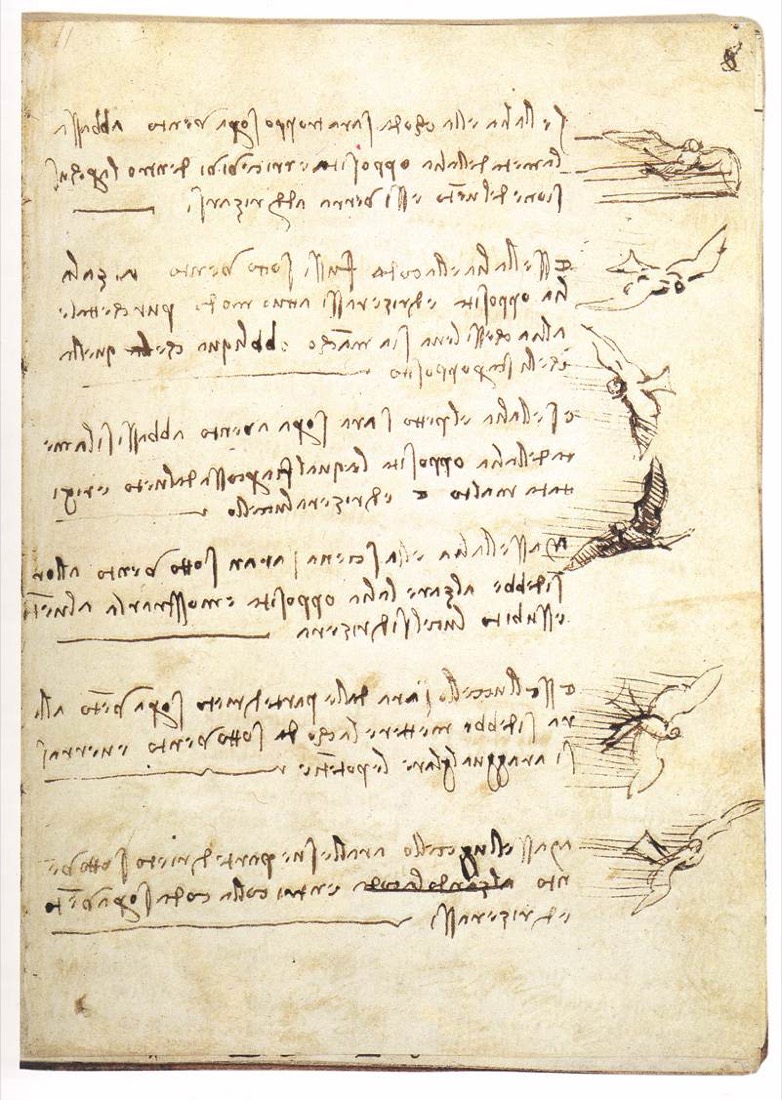
Ciclo CCCXCVI
The distant buildings—veiled in mist or dawn—are not seen as brick, nor stone, nor the precise angle of a cornice, but as giudizio, the eye’s verdict suspended between presence and absence; the Italian phrase, though broken, still breathes alberga spirito—the spirit dwells—hinting that the haze does not obscure but rather contains the shape, a transparency of absence that makes the building more itself, more inhabitable by imagination. And the eye that records such visions is the same eye that once traced the flight of birds across the Arno, the same that now trembles over these pages—it is the terzo occhio, the third eye, not of prophecy alone, but of the maker who knows that the greatest works are those half-seen, half-built, half-forgotten, and the journal is the mist in which they take form before the world claims them.