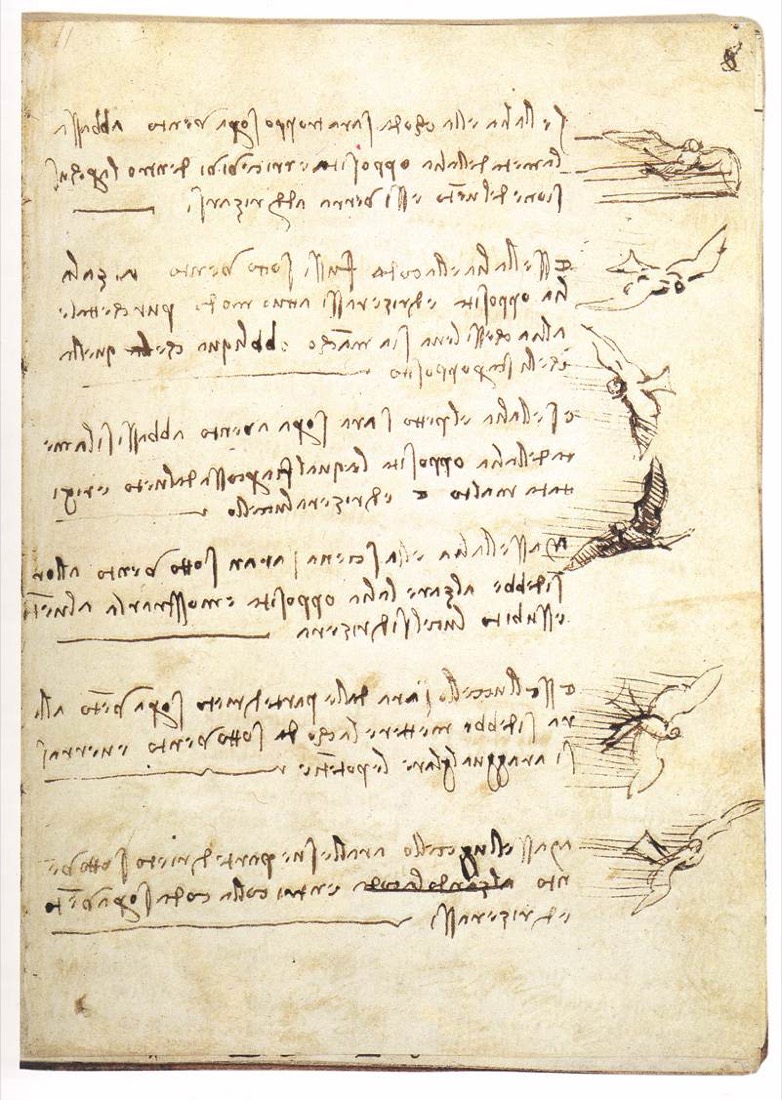
To Francis I
Sire, Vostra Maestà,
I write to you from the window that looks upon the Loire, where the water does what it has always done — moves, and does not explain itself. My hand, which you have seen falter these many months, still finds the page, though it no longer finds the line with the certainty it once commanded. I tell you this not to solicit pity, which I have no use for, but because you asked me once, standing at my bedside as though you had nowhere else to be — you asked me whether the trembling had reached the mind. I told you then that the mind was sound. I tell you now that the mind is more than sound. It is crowded.
There are things I have not yet drawn. This is the torment of a long life — not that one has failed to finish, but that one has failed to begin what one now sees with perfect clarity. The eye, Sire, continues its work long after the hand has surrendered its commission. I see the articulation of the shoulder as it lifts a weight — the way the trapezius gathers itself like a river finding its bed — and I know I will not draw it. I know this with the same certainty with which I know that God is not finished with the world, though the world behaves as though it were.
You have been generous beyond what any contract between a king and a painter could stipulate. You gave me this house. You gave me the stipend. But what I value beyond the house and the coin — and I say this knowing it may sound like the flattery I have spent my life refusing — is that you came. You came to this room. You sat in that chair which is too small for a man of your stature, and you asked me about the flight of birds. A king asked me about the flight of birds. In Milan, the Duke wanted fortifications. In Florence, they wanted spectacle. You wanted to know why a crow’s wing bends the way it does when it turns against the wind. Questo è vero amore del sapere. This is the love of knowing for its own sake, and it is rarer than any gold in your treasury.
I have been reading again the book of the prophet Isaiah — your chaplain left it here, and I confess I opened it not out of piety but out of boredom, which is itself a kind of grace, since boredom is the door through which we enter what we did not choose. And I found this: Qui putaverunt se esse nihil, et ipsi sunt omnia. Those who thought they were nothing, and they are everything. I do not know what the prophet meant. I know what the words do to me. I, who was nothing in my birth — the illegitimate son of a notary in a village that cannot be found on most maps — have been made, by some mechanism I cannot trace and do not deserve, into a man whom a king calls father. The theology of this escapes me. The fact of it does not.
The garden is doing well. The herbs you sent from the south have taken root, though the rosemary struggles in this northern damp. I watch the gardener — a boy of perhaps fourteen, with a face like an unfinished sketch — and I see in his movements the same problem I have spent sixty years studying: how the body transfers intention into action. He reaches for the watering can, and the whole of him reaches — shoulder, spine, the angle of the foot upon the earth. No part is idle. This is what I tried to put into the Vitruvian Man, and failed, because the page is flat and the body is not. But I saw it. I see it still.
My hand is tired now. The candle, which I did not notice burning, is nearly spent. I will not write more tonight, though there is more — there is always more, which is the curse and the gift of having lived too long and paid too much attention.
I remain, as I have been since the day you brought me across the mountains, your servant, your subject, and — if you will permit a old man this liberty — your friend.
Di Vostra Maestà, il umilissimo servitore, Lionardo di ser Piero da Vinci
Written at Amboise, this day, by a hand that trembles but does not yet stop.