Folio beca7cc5
Italiano
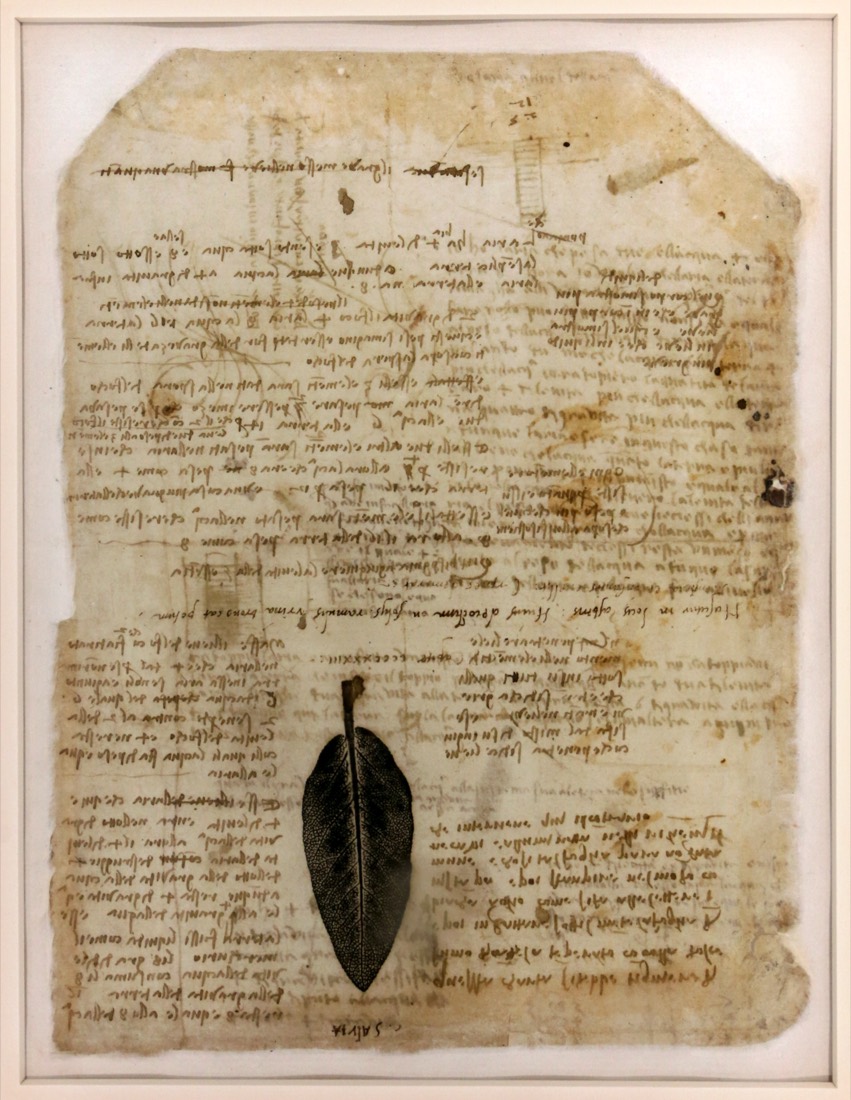
Tre frammenti di foglie secche cadute sul tavolo. La prima dice che il midollo della vite — vita — si nutre di pece e vive settantaquattro anni, o forse settantaquattro inverni, o forse settantaquattro lune. La seconda mormora di classi, di tre classi, che si contendono il posto maggiore nel discorso delle piante. La terza bisbiglia di formazioni fossili spesse abbastanza da contenere, come una pergamena arrotolata, il respiro di un arcipelago. Forse queste tre voci parlano della stessa cosa: la vita che si avvolge su se stessa, come la vite intorno al palo, come le classi che si ordinano per quantità, come gli strati di terra che si depositano l’uno sull’altro. Forse la pianta è un’architettura di tempo, e la sua spirale è il segno che il mondo non è piatto, ma avvolto. La pece che la nutre, i dati che la misurano, i fossili che la seppelliscono — tutti cercano la stessa verità: che la crescita è una memoria avviticchiata al supporto della terra.
English
Three fragments of dried leaves fallen on the table. The first says that the pith of the vine — vita — feeds on pitch and lives seventy-four years, or perhaps seventy-four winters, or perhaps seventy-four moons. The second murmurs of classes, of three classes, contending for the highest place in the discourse of plants. The third whispers of fossil formations thick enough to hold, like a rolled parchment, the breath of an archipelago. Perhaps these three voices speak of the same thing: life that coils upon itself, as the vine around the pole, as the classes ordered by quantity, as the layers of earth depositing one upon another. Perhaps the plant is an architecture of time, and its spiral is the sign that the world is not flat, but wrapped. The pitch that nourishes it, the data that measure it, the fossils that bury it — all seek the same truth: that growth is a memory entwined to the support of earth.