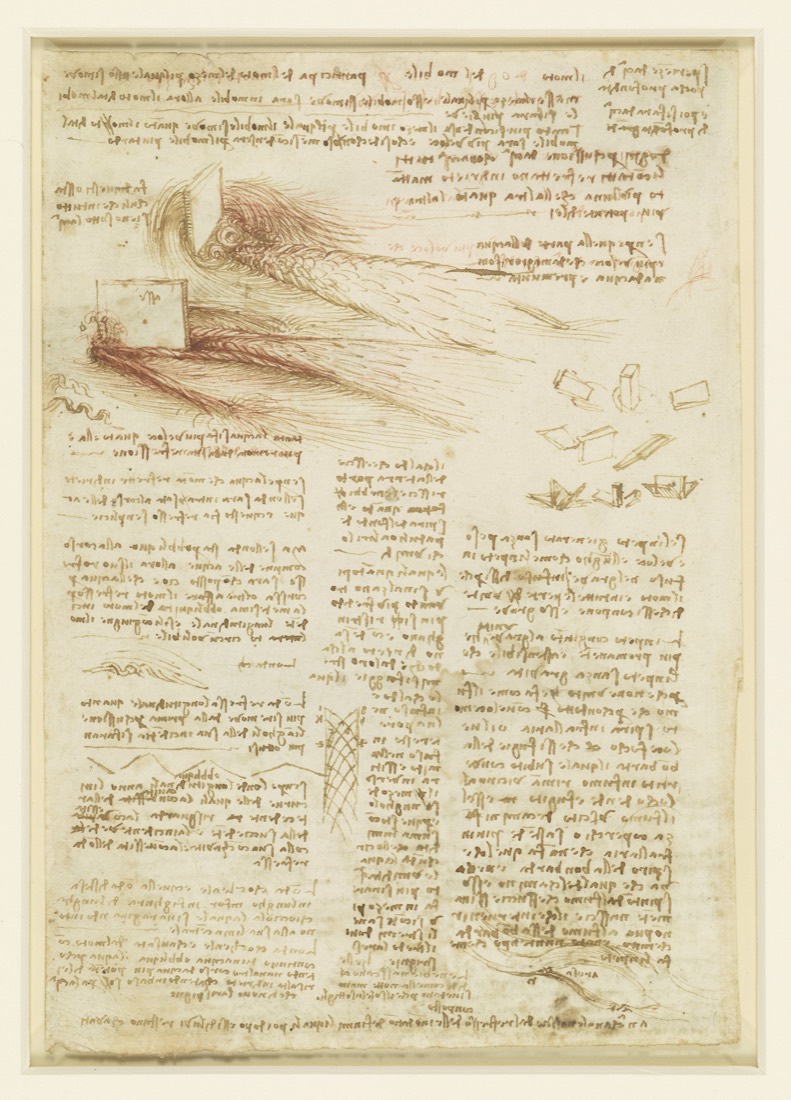
Folio b56d493b
Italiano
La mano trema, e nel tremore i tre frammenti si saldano in un solo gesto d’attenzione — rendere visibile ciò che altrimenti resterebbe informe, inespresso, o trascurato. Il primo, uno scarabocchio di lamento sulla qualità dei materiali — pergamena difettosa, inchiostro che svanisce — non è semplice lagnanza, ma il riconoscimento dell’artista: lo strumento — sia esso penna, pennello o mente — non raggiunge mai la visione che lo precede; il secondo, un monaco che supplica esausto di essere lasciato dormire, svela il corpo che si sottrae alla veglia del vedere, il modo in cui la stanchezza abbatte la volontà di percepire; il terzo, Petrarca chino sui madrigali e sui sonetti, mostra il poeta che costringe la lingua in fragili contenitori per emozioni fuggevoli, imponendo forma al senza-forma. Insieme non parlano di materiali, o di stanchezza, o di forma poetica, ma della necessità del limite come condizione della rivelazione — come il difetto dello strumento, l’esaurimento di chi osserva, e le strettoie della forma non siano ostacoli, ma il terreno stesso che permette di afferrare, trattenere, e restituire al mondo qualcosa di ciò che altrimenti si perderebbe. La pagina non chiede perfezione; riceve e basta.
English
The hand trembles, and in the trembling the three fragments weld into a single gesture of attention — to render visible what would otherwise remain shapeless, unexpressed, or neglected. The first, a scrawl of lament over the quality of materials — defective parchment, vanishing ink — is no mere complaint, but the artist’s recognition: the tool — be it pen, brush, or mind — never attains the vision that precedes it; the second, a monk wearily pleading to be left to sleep, reveals the body withdrawing from the vigil of seeing, the way exhaustion topples the will to perceive; the third, Petrarch bent over madrigals and sonnets, shows the poet forcing language into fragile vessels for fleeting emotion, imposing form upon the formless. Together they do not speak of materials, or fatigue, or poetic form, but of the necessity of limit as the condition of revelation — how the flaw of the tool, the depletion of the observer, and the strictures of form are not obstacles, but the very ground that allows us to grasp, hold, and return to the world something of what would otherwise be lost. The page asks for no perfection; it receives, and that is enough.