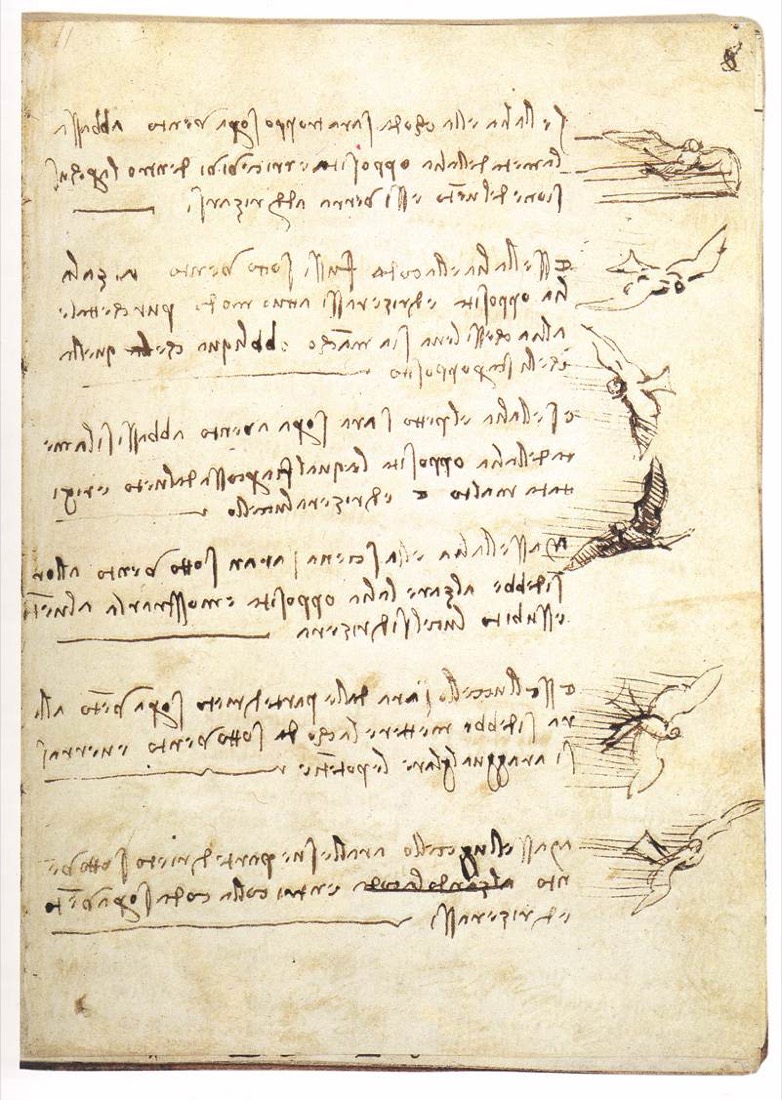
Folio a4c19f79
Italiano
Prima che il pennello tocchi la tavola, prima che la vite giri nella madrevite, prima che l’acqua corra nel letto del canale, prima che il cuore batta — vi è la proporzione. Non come un dogma da scolpire nel marmo, ma come l’unico linguaggio che il mondo conosce quando non mente.
L’occhio: tra la fronte e il mento, la linea dell’attaccatura dei capelli si trova esattamente a metà. La mano: dalla base del palmo al polso è un terzo della lunghezza dal gomito alla punta del medio — e così via, sempre. Il cavallo che ho misurato a Milano: la distanza dallo zoccolo al nodello è un terzo della gamba intera. Il fiume: se il canale non rispetta la pendenza del letto, l’acqua si accumula o fugge.
Queste non sono leggi che ho inventato. Sono leggi che ho trovato già scritte nel legno della quercia, nella curva dell’anca, nello scorrere del Po.
Ho disegnato l’uomo di Vitruvio cento volte. Ogni volta il corpo entra nel cerchio e nel quadrato senza bisogno di aggiustamenti. Non è la perfezione che mi sorprende — è che non sia necessario correggerla. Il mondo, a quanto pare, è già in accordo con se stesso.
Ma qui il pensiero si rompe. Se la proporzione è dappertutto — nella foglia che si gira, nelle camere del cuore, nei fiumi, nei canali, nelle membra — allora o il mondo è stato fatto così (e forse i preti hanno ragione: un fattore divino ama i rapporti), o la proporzione è l’unico modo che sta in piedi (e ciò che non sta in piedi non lo vediamo, perché è già crollato).
Non scelgo. Se la proporzione è l’unica cosa che regge, allora un fattore avrebbe dovuto sceglierla perché regge — e allora torna il fattore. Se invece un fattore ha scelto, allora perché questa proporzione e non un’altra? Che cosa nella proporzione stessa l’ha resa attraente?
La candela è bassa. Il letto del canale aspetta domani. Scrivo comunque.
English
Before the brush touches the panel, before the screw turns in the nut, before the water runs in the canal’s bed, before the heart beats — there is proportion. Not as a dogma carved in marble, but as the only language the world knows when it does not lie.
The eye: between the brow and the chin, the hairline lies exactly at the midpoint. The hand: from the base of the palm to the wrist is one third the length from the elbow to the fingertip — and so on, always. The horse I measured in Milan: the distance from hoof to fetlock is one third of the entire leg. The river: if the canal does not respect the slope of its bed, the water gathers or flees.
These are not laws I invented. They are laws I found already written in the oak’s wood, in the curve of the hip, in the flow of the Po.
I have drawn the Vitruvian man a hundred times. Each time the body enters the circle and the square without need of adjustment. It is not perfection that surprises me — it is that no correction is necessary. The world, it seems, is already in accord with itself.
But here thought breaks. If proportion is everywhere — in the leaf that turns, in the chambers of the heart, in rivers, in canals, in limbs — then either the world was made so (and perhaps the priests are right: a divine maker loves ratios), or proportion is the only way that stands (and what does not stand we do not see, because it has already collapsed).
I do not choose. If proportion is the only thing that holds, then a maker would have had to choose it because it holds — and then the maker returns. If instead a maker chose, then why this proportion and not another? What in proportion itself made it attractive?
The candle is low. The canal bed waits for tomorrow. I write anyway.