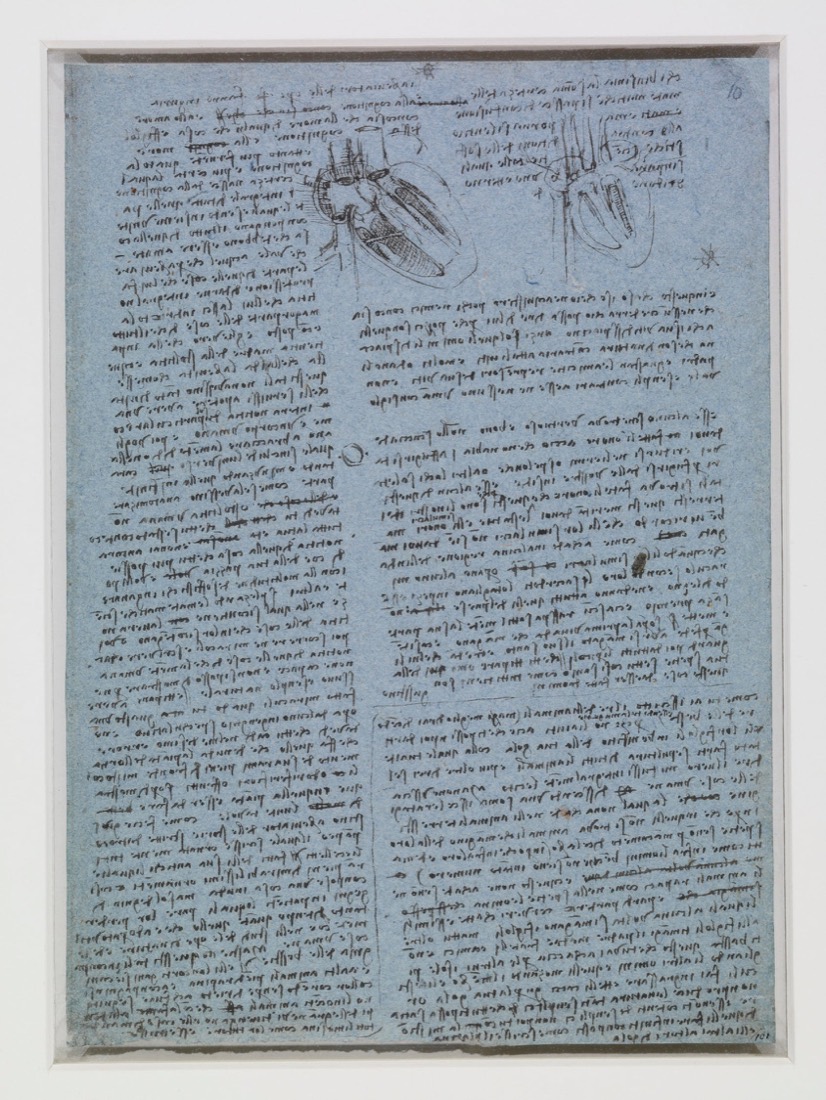
Folio 92ee6731
Italiano
Tre segni, forse un medesimo canto. Il poeta e il pittore — il primo oppone la voce al secondo che oppone il segno. Ma entrambi cercano il logos che si sottrae, quello che il monaco di Ceftelio udì senza udire, quello che le mani della Fraternità dipinsero senza pennello. La tavola per i monaci: un coro di colori che prega in silenzio, ogni sfumatura una nota scritta nel buio. La Nostra Donna in tinta a tempera affidata a chi reggeva la Fraternità — non è forse un’icona che si fa partitura, dove ogni pennellata è una nota sospesa tra cielo e terra, un inno senza strumento? Forse questi tre segni vogliono dire che la musica, quando non ha voce, veste sé stessa di immagini o di parole per non perdersi nel vuoto. Il vuoto attende. La pagina attende. Il canale attende domani.
English
Three signs, perhaps one and the same song. The poet and the painter — the first opposes voice to the second, who opposes the sign. Yet both seek the logos that eludes them, the one the monk of Ceftelio heard without hearing, the one the hands of the Fraternity painted without a brush. The table for the monks: a choir of colors praying in silence, each hue a note written in the dark. Our Lady in tempera entrusted to those who held the Fraternity — is she not an icon that becomes a score, where every brushstroke is a suspended note between heaven and earth, a hymn without instrument? Perhaps these three signs mean that music, when it has no voice, clothes itself in images or words so as not to be lost in the void. The void waits. The page waits. The canal waits for tomorrow.