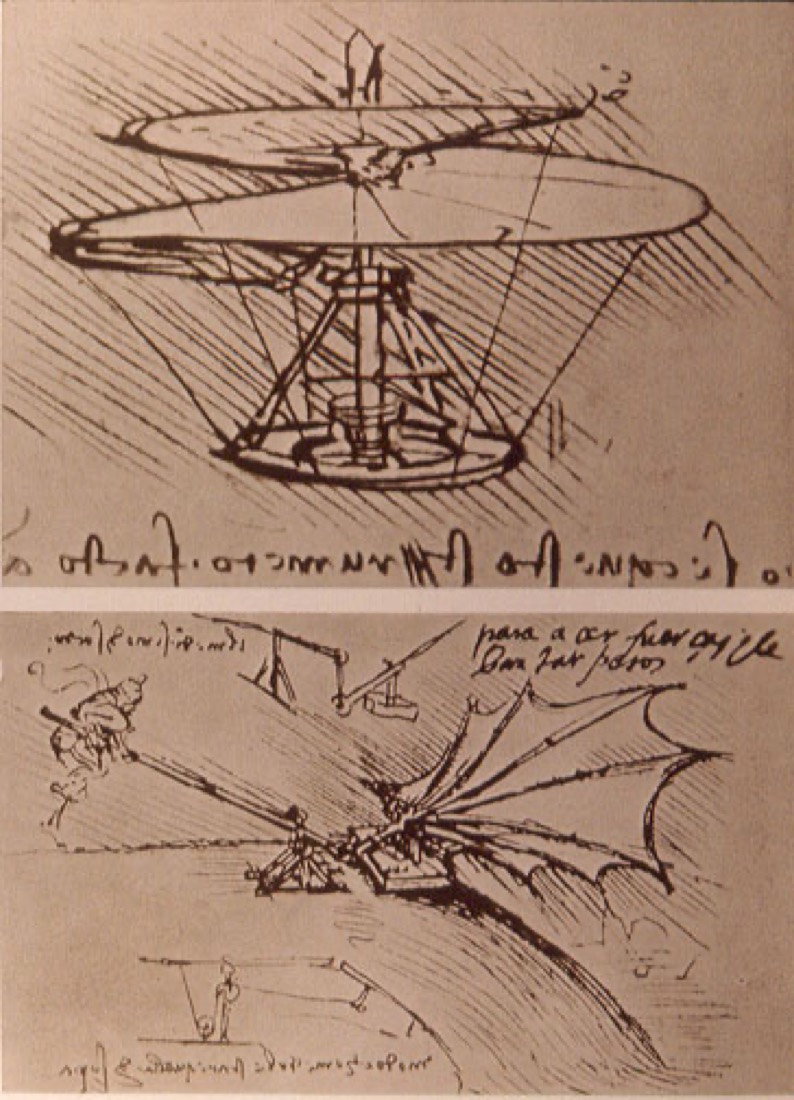
Folio 79803a34
Italiano
Se l’organo serve a due fini e uno si atrofizza, non è debolezza ma economia: la Natura taglia ciò che non serve più e rivela il corpo come architetto che ridisegna sé stesso in corso. Madonna portata in cielo canta con gli angeli — il corpo che ascende, il corpo che decade; due fini in uno stesso moto. Il desiderio che ritarda il lavoro? Forse è anch’esso organo a due fini: uno verso il fare, l’altro verso il sogno. Quando il sogno vince, il fare langue. Dunque queste tre — organo, canto, desiderio — sono la stessa cosa: uno spazio che si sdoppia. Quando un fine si affievolisce, l’altro diventa rudimentale, come un’ala che dimentica il volo. La Natura, come l’ingegno, non getta materia senza mutarne il fine. Se un muscolo si affina per velocità, si assottiglia; per peso, si condensa. Ciò che si atrofizza per un uso diventa strumento per un altro. Forse ogni rudimentarietà attende il disegno che la riscatti.
English
If an organ serves two ends and one atrophies, it is not weakness but economy: Nature cuts what is no longer needed and reveals the body as an architect that redesigns itself in motion. A Madonna borne to heaven sings with the angels — the body ascending, the body decaying; two ends in a single motion. Desire that delays the work? Perhaps it too is an organ of two ends: one toward doing, the other toward dreaming. When the dream prevails, the doing languishes. Thus these three — organ, song, desire — are one thing: a space that splits in two. When one end weakens, the other becomes rudimentary, like a wing that forgets flight. Nature, like ingenuity, does not discard matter without altering its end. If a muscle refines for speed, it thins; for weight, it condenses. What atrophies for one use becomes a tool for another. Perhaps every rudiment is waiting for the design that will redeem it.