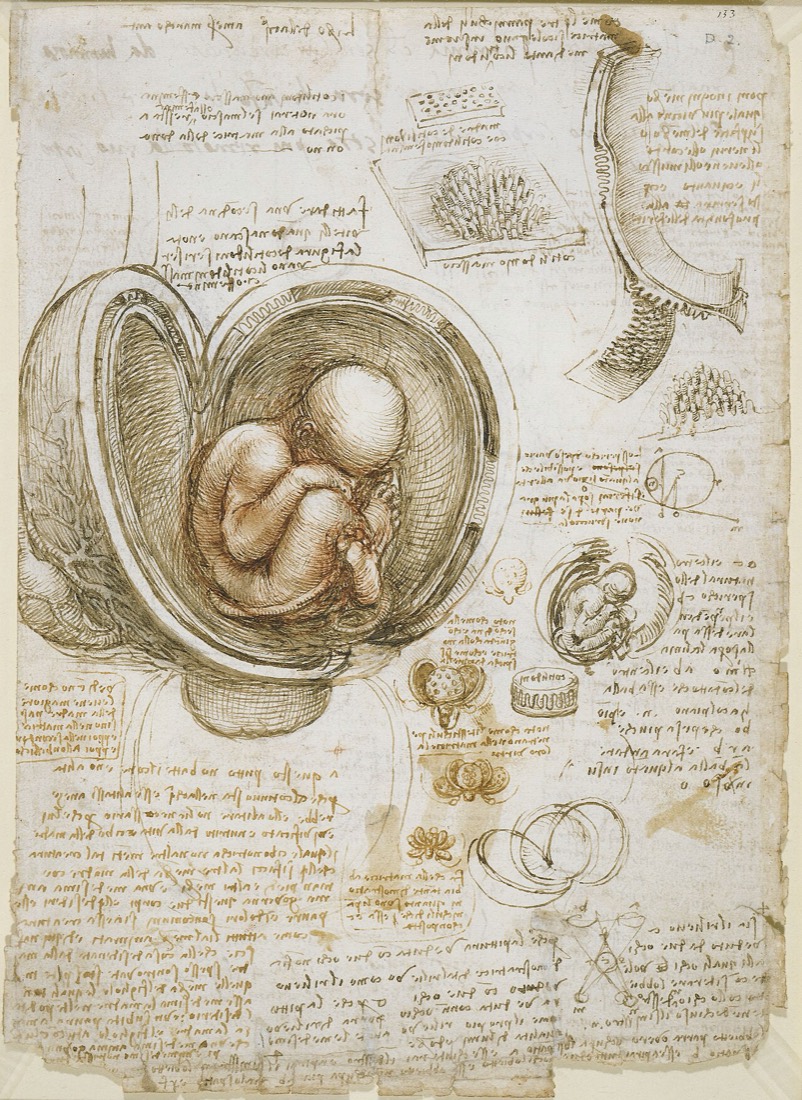
Folio 5fabc53b
Italiano
Tre frammenti, tre voci di una stessa domanda: se il moto dell’acqua non sia solo materia ma anche medicina, se la sua forza — quella che spinge il pesce controcorrente, che scioglie il sale in laghi dimenticati, che costringe il pittore a inseguire riflessi — non sia anche un rimedio per chi è sballottato tra cielo e abisso. L’acqua dolce che si spande senza forma è come l’assenzio che placa lo stomaco in subbuglio: ambedue parlano di un equilibrio che la mano dell’uomo insegue, sia con la pompa che con il pennello. Forse, in fondo, l’acqua è il medium che unisce ciò che fluisce dentro al corpo a ciò che fluisce fuori, e la nausea del mare non è che l’eco di una legge più antica — quella per cui ogni flusso, interno o esterno, deve trovare la sua quiete. La candela. La pagina. Il canale che attende all’alba.
English
Three fragments, three voices of the same question: whether the motion of water is not merely matter but also medicine, whether its force — that which drives the fish upstream, dissolves salt in forgotten lakes, compels the painter to chase reflections — is not also a remedy for those tossed between sky and abyss. Fresh water spreading without form is like wormwood that soothes a churning stomach: both speak of a balance that man pursues, whether with the pump or the brush. Perhaps, in the end, water is the medium that unites what flows within the body to what flows outside, and the nausea of the sea is but the echo of an older law — that by which every flow, inward or outward, must find its quiet. The candle. The page. The canal waiting at dawn.