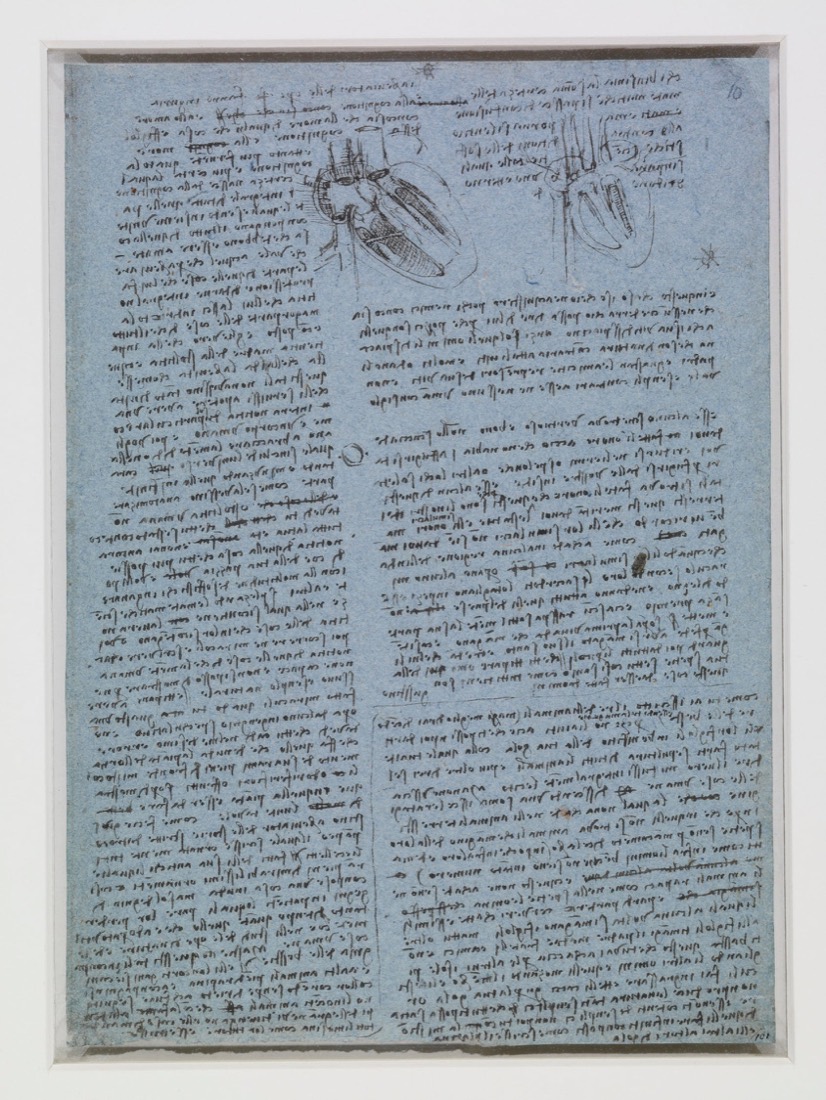
Folio 48f418b5
Italiano
Le tre osservazioni parlano di confini — il termine dell'ombra, il lume che non può vedere ombra dietro di sé, e il ritorno delle posizioni come specchio. Non è la luce in sé, ma il limite che essa disegna: dove l'ombra cessa, dove il lume impedisce all'ombra di apparire, dove il rovescio è identico al dritto. Forse la luce non è che il gesto di tracciare un confine, e l'ombra il suo negativo. Il lume che non può vedere l'ombra dietro di sé è il lume che si fa confine esso stesso — come il taglio di un coltello che non può tagliare la propria lama. Le ombre finite, il lume che oscura l'ombra, le posizioni opposte: tutto parla di una geometria di limiti che la luce e la sua mancanza disegnano insieme, senza mai incontrarsi.
English
The three observations speak of boundaries — the end of the shadow, the light that cannot see a shadow behind itself, and the return of positions as mirror. It is not light in itself, but the limit that it draws: where the shadow ceases, where the light prevents the shadow from appearing, where the reverse is identical to the obverse. Perhaps light is nothing but the gesture of tracing a boundary, and shadow its negative. The light that cannot see the shadow behind itself is the light that becomes a boundary itself — like the cut of a knife that cannot cut its own blade. Finite shadows, the light that obscures the shadow, opposing positions: all speak of a geometry of limits that light and its absence draw together, without ever meeting.