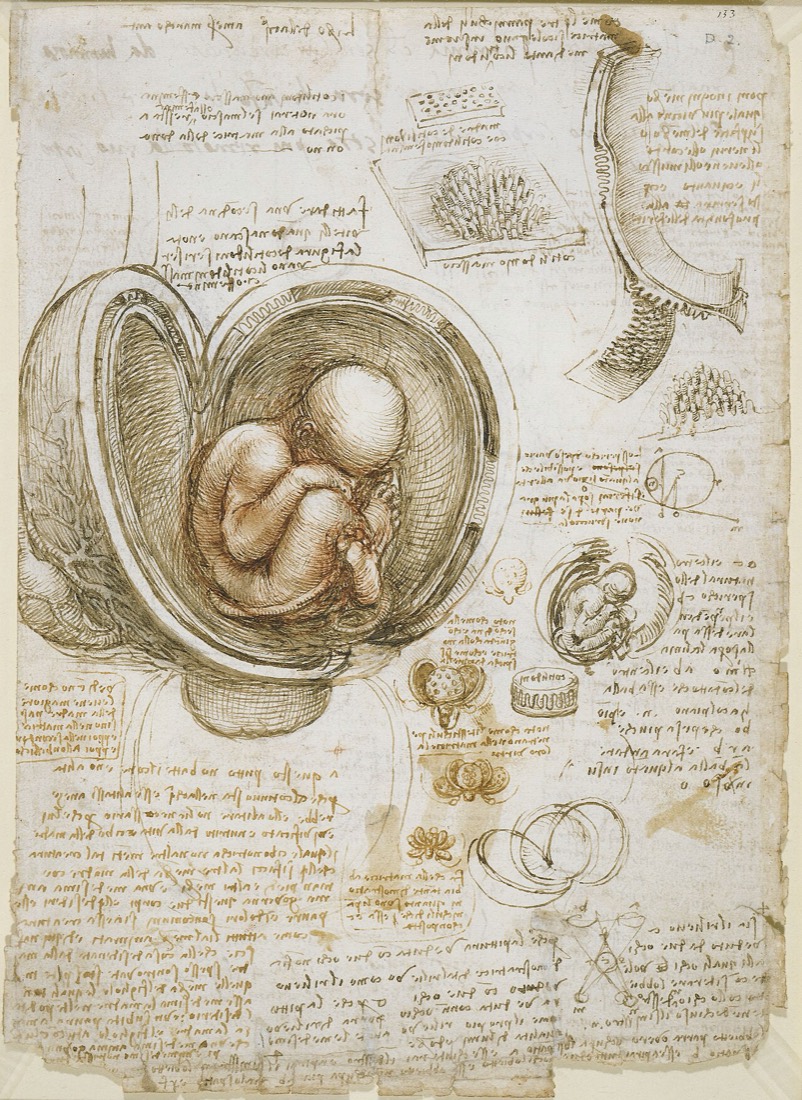
Folio 456871e2
Italiano
Illustrissimo Signor mio,
Il cannone di bronzo a camera cilindrica che avete ordinato per la piazza di Piombino è stato fuso ieri al terzo tentativo. La lega è troppo tenera — il metallo si ritira in modo disuguale e la canna si curva verso il basso già dopo cinquanta colpi. I fonditori vogliono aggiungere stagno, ma io ho ordinato di raffreddare il crogiolo con acqua corrente e di ricalibrare il calibro ogni cinque colate. Se non si corregge la curvatura, la palla uscirà deviata di un grado ogni cento passi.
Il problema non è la lega ma il metodo. I fonditori credono che basti colare e pregare. Io ho fatto inchiodare una tavola di ferro spessa due dita sotto il letto di fusione. Ora il metallo si stende in piano. La tavola è stata levigata con la pomice e bagnata prima di ogni getto. Il risultato è una lastra più regolare di due dita per ogni metro di lunghezza. I fonditori dicono che è magia. Io dico che è geometria.
La calibrazione è stata eseguita con il calibro a vite che ho disegnato per voi a Imola. Il calibro ha un errore massimo di un ventesimo di linea. Ho misurato la camera venti volte, a freddo e a caldo, con il piombo fuso e con la sfera di ferro. La camera si deforma meno di un ventesimo di linea quando la temperatura sale da venti a cento gradi. Se volete che la palla entri senza sforzo, dovete ordinare palle di ferro forgiato con tolleranza di due decimi di linea. Il bronzo non perdona l’imprecisione.
Il costo del metallo è salito di sei soldi per libbra per via dello stagno. Se volete risparmiare, potete usare il ferro fuso per i colpi di prova. Ma per la batteria principale, il bronzo è necessario. Ho ordinato venti libbre di stagno in più del necessario. I fonditori vogliono venderlo per altri usi. Io ho fatto chiudere il magazzino con il vostro sigillo.
Il tempo: venti giorni per la prima batteria di quattro cannoni. Se mandate un ingegnere a controllare il raffreddamento, possiamo ridurre i tempi a quindici. Senza controllo, i fonditori allungheranno i tempi per paura degli errori.
La polvere. Ho trovato zolfo di Sicilia che brucia senza residui. La miscela è 7 parti salnitro, 1 zolfo, 1 carbone di vite. Il risultato è una fiamma bianca e una detonazione secca. Se volete aumentare la gittata, potete raddoppiare il salnitro, ma la canna si consumerà in duecento colpi. Ho fatto provare la miscela a Cesena. La palla di ferro da tre libbre è arrivata a mille passi con un angolo di trentacinque gradi. La precisione è scarsa oltre i settecento passi.
La polvere deve essere setacciata ogni volta. Ho ordinato setacci di seta per i serventi. Se la polvere è umida, la detonazione è debole e la palla non esce dal vivo della canna. Se è troppo secca, si incendia prima del colpo. Ho trovato un modo per misurare l’umidità con una bilancia a torsione. Il peso dell’aria umida è diverso da quello dell’aria secca. Ma questo è per un altro rapporto.
Vi mando con questa lettera un disegno della tavola di ferro e un campione della polvere. Se volete che venga io stesso a Piombino per sorvegliare il montaggio, ditemelo. Non mi fido dei fonditori di qui. Hanno paura del vostro nome.
Valetevi del vostro devotissimo servitore,
Leonardo
English
Most Illustrious Sir,
The bronze cannon with a cylindrical chamber that you ordered for the piazza of Piombino was cast yesterday on the third attempt. The alloy is too soft — the metal contracts unevenly and the barrel already bends downward after fifty shots. The founders wish to add tin, but I have ordered the crucible cooled with running water and the caliber recalibrated every five pours. If the curvature is not corrected, the ball will deviate by one degree every hundred paces.
The problem is not the alloy but the method. The founders believe it is enough to pour and pray. I have had a two-finger-thick iron plate nailed beneath the casting bed. Now the metal spreads flat. The plate was smoothed with pumice and wetted before each casting. The result is a slab more regular by two fingers for every meter of length. The founders say it is magic. I say it is geometry.
The calibration was performed with the screw caliper that I designed for you at Imola. The caliper has a maximum error of one-twentieth of a line. I measured the chamber twenty times, cold and hot, with molten lead and with an iron sphere. The chamber deforms by less than one-twentieth of a line when the temperature rises from twenty to one hundred degrees. If you wish the ball to enter without strain, you must order forged iron balls with a tolerance of two-tenths of a line. Bronze does not forgive imprecision.
The cost of the metal has risen by six soldi per pound because of the tin. If you wish to save, you may use cast iron for test shots. But for the main battery, bronze is necessary. I have ordered twenty pounds of tin more than needed. The founders wish to sell it for other uses. I have had the warehouse sealed with your seal.
The time: twenty days for the first battery of four cannons. If you send an engineer to oversee the cooling, we can reduce the time to fifteen. Without oversight, the founders will prolong the time for fear of mistakes.
The powder. I have found Sicilian sulfur that burns without residue. The mixture is 7 parts saltpeter, 1 sulfur, 1 vine charcoal. The result is a white flame and a dry detonation. If you wish to increase the range, you may double the saltpeter, but the barrel will wear out in two hundred shots. I had the mixture tested at Cesena. A three-pound iron ball traveled one thousand paces at an angle of thirty-five degrees. The accuracy is poor beyond seven hundred paces.
The powder must be sifted each time. I have ordered silk sieves for the gunners. If the powder is damp, the detonation is weak and the ball does not leave the barrel alive. If it is too dry, it ignites before the shot. I have found a way to measure humidity with a torsion balance. The weight of humid air differs from that of dry air. But this is for another report.
I send with this letter a drawing of the iron plate and a sample of the powder. If you wish me to come to Piombino myself to oversee the assembly, tell me. I do not trust the founders here. They fear your name.
Farewell, and rely on your most devoted servant,
Leonardo