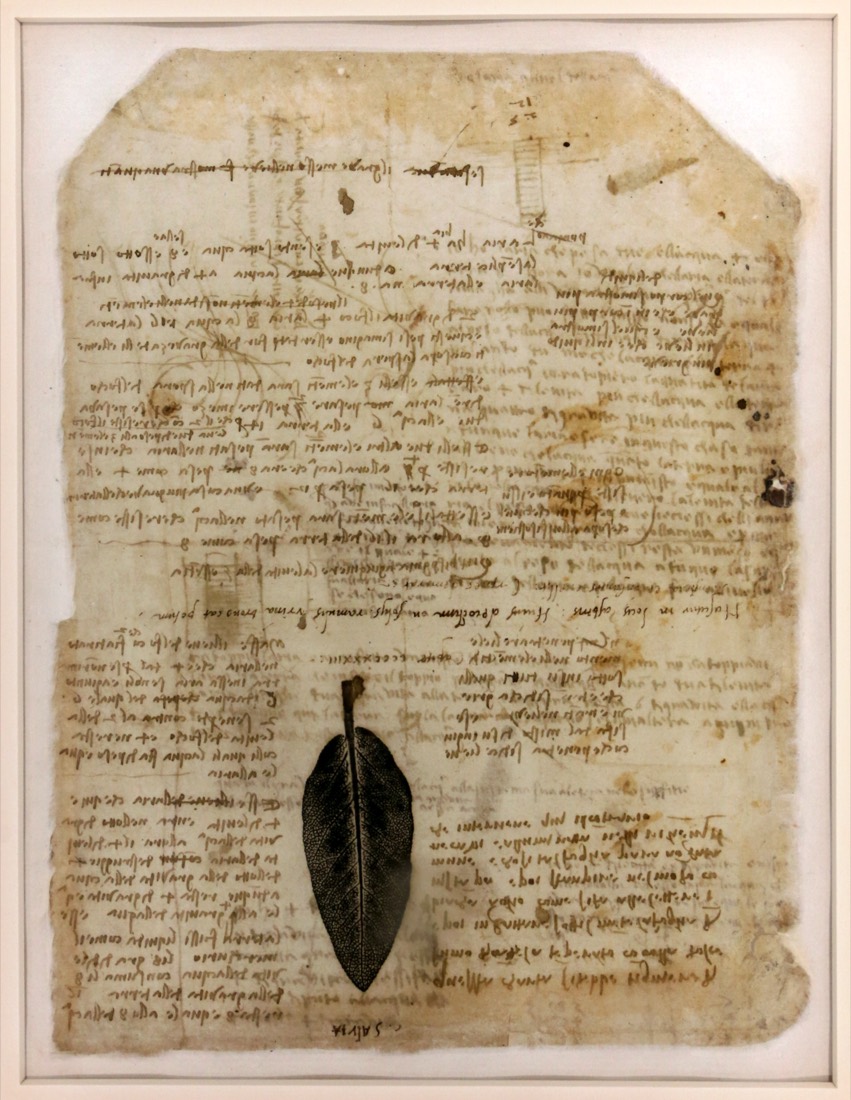
Folio 3838d1c6
Italiano
Tre osservazioni. La prima vera — le vene, con grazia espresse in un corpo nella via de’ Servi, in casa di Giovanni — come rami d’albero, condotti senza errore. La seconda: che la natura, benigna, ha sparso per tutto il mondo forme da imitare; non solo per l’occhio dell’artefice, ma per chi cerchi l’intelligenza delle cose. La terza: le parti rudimentali, come affermano alcuni e credo con verità, sono soggette a grande variabilità. Ipotesi: che la medesima necessità che ordina le vene alla miglior condotta del sangue, là dove la funzione cessa, allenti il suo freno, e lasci la materia libera di giocare con variazioni; e che proprio questo confine tra precisione e libertà sia il modello che la natura porge a chi sa vedere. Se fosse vero, ogni parte rudimentale dovrebbe mostrarsi variabile proprio in proporzione alla perdita d’ufficio.
English
Three observations. The first true — the veins, gracefully expressed in a body on Via dei Servi, in Giovanni’s house — like branches of a tree, conducted without error. The second: that nature, in her kindness, has scattered throughout the world forms to be imitated; not only for the eye of the artificer, but for whoever seeks the intelligence of things. The third: the rudimentary parts, as some affirm and I believe with truth, are subject to great variability. Hypothesis: that the same necessity which orders the veins for the best conduct of the blood, where function ceases, loosens its rein, and leaves the matter free to play with variations; and that this very boundary between precision and freedom is the model that nature offers to those who know how to see. If this were true, every rudimentary part should show itself variable precisely in proportion to the loss of its office.