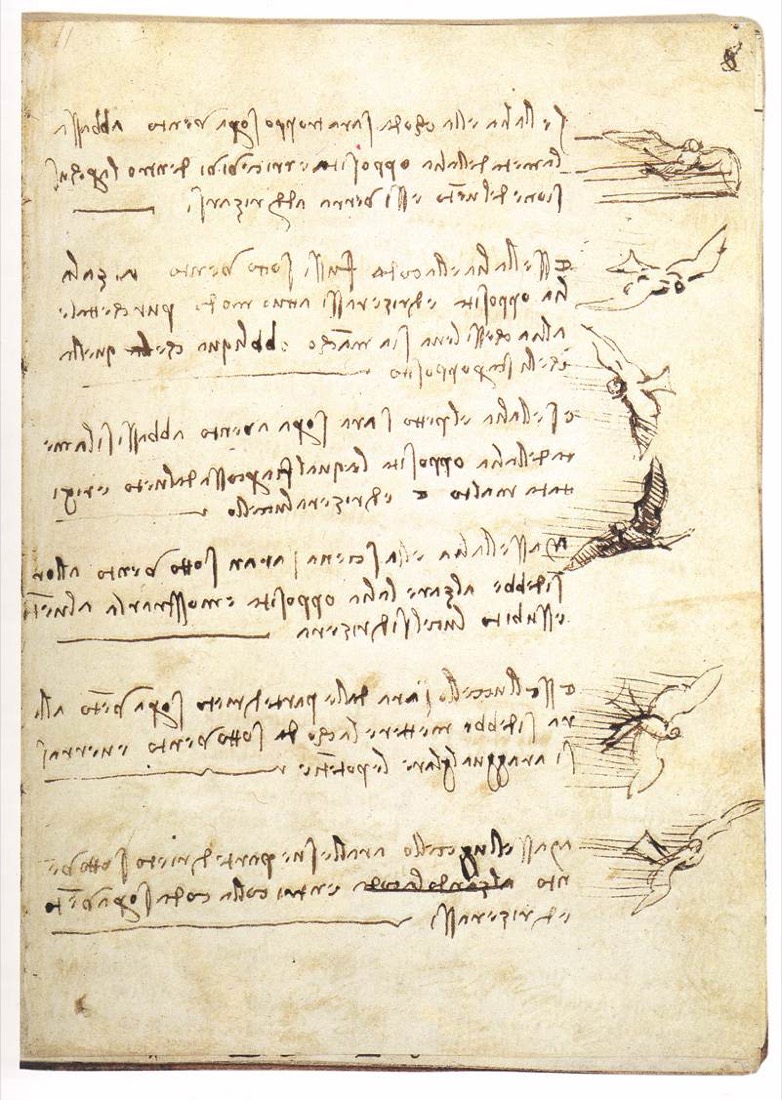
Folio 34dcae5c
Italiano
The red at the edge of the cloud this evening — I watched it go. Not the cloud. The red. How it does not depart the way a bird departs, with intention, with the decision of a wing, but dissolves dentro, inward, the way a coal loses its argument with the dark. I have tried four times to name the color that comes after. There is no name. The painters of Firenze would have mixed their lakes and their whites and called it crepuscolo and been satisfied. I am not satisfied. What I saw was not a color. It was a duration. A thing that was still happening as it ended. La grazia, if there is such a thing in the sky, does not announce itself — it is only recognized in the moment of its withdrawal. The hand could not draw it. The hand was trembling. Perhaps that was fitting — that the instrument of record should share, for once, the condition of the thing recorded. And this is what I find myself returning to, here, on the 22nd day of June, in the year of our Lord 1518, in this room at Clos-Lucé where the light enters low and the king's generosity keeps the firewood coming — that the truest things are those which resist the hand that would fix them. I have spent my life trying to arrest motion: the curl of water, the twist of a muscle beneath skin, the exact instant a smile becomes something else. But the red on the cloud teaches what the Vitruvian Man could not — that the center of a thing is not a point but a passage, and to hold it still is to hold nothing at all. The anatomist knows this. He opens the body and finds it already different from the body of yesterday. The blood has settled. The heat has gone. What he draws is not life but the shape of where life was. And yet he draws. And yet I write. Because the alternative — to let the red dissolve without witness — is a silence I am not yet prepared to accept. Forse domani the cloud will return. It will not be the same cloud. I will not be the same eye. But the act of watching — that, at least, persists. The candle gutters. The canal outside is still.
English
The red at the edge of the cloud this evening — I watched it go. Not the cloud. The red. How it does not depart the way a bird departs, with intention, with the decision of a wing, but dissolves dentro, inward, the way a coal loses its argument with the dark. I have tried four times to name the color that comes after. There is no name. The painters of Firenze would have mixed their lakes and their whites and called it crepuscolo and been satisfied. I am not satisfied. What I saw was not a color. It was a duration. A thing that was still happening as it ended. La grazia, if there is such a thing in the sky, does not announce itself — it is only recognized in the moment of its withdrawal. The hand could not draw it. The hand was trembling. Perhaps that was fitting — that the instrument of record should share, for once, the condition of the thing recorded. And this is what I find myself returning to, here, on the 22nd day of June, in the year of our Lord 1518, in this room at Clos-Lucé where the light enters low and the king's generosity keeps the firewood coming — that the truest things are those which resist the hand that would fix them. I have spent my life trying to arrest motion: the curl of water, the twist of a muscle beneath skin, the exact instant a smile becomes something else. But the red on the cloud teaches what the Vitruvian Man could not — that the center of a thing is not a point but a passage, and to hold it still is to hold nothing at all. The anatomist knows this. He opens the body and finds it already different from the body of yesterday. The blood has settled. The heat has gone. What he draws is not life but the shape of where life was. And yet he draws. And yet I write. Because the alternative — to let the red dissolve without witness — is a silence I am not yet prepared to accept. Forse domani the cloud will return. It will not be the same cloud. I will not be the same eye. But the act of watching — that, at least, persists. The candle gutters. The canal outside is still.