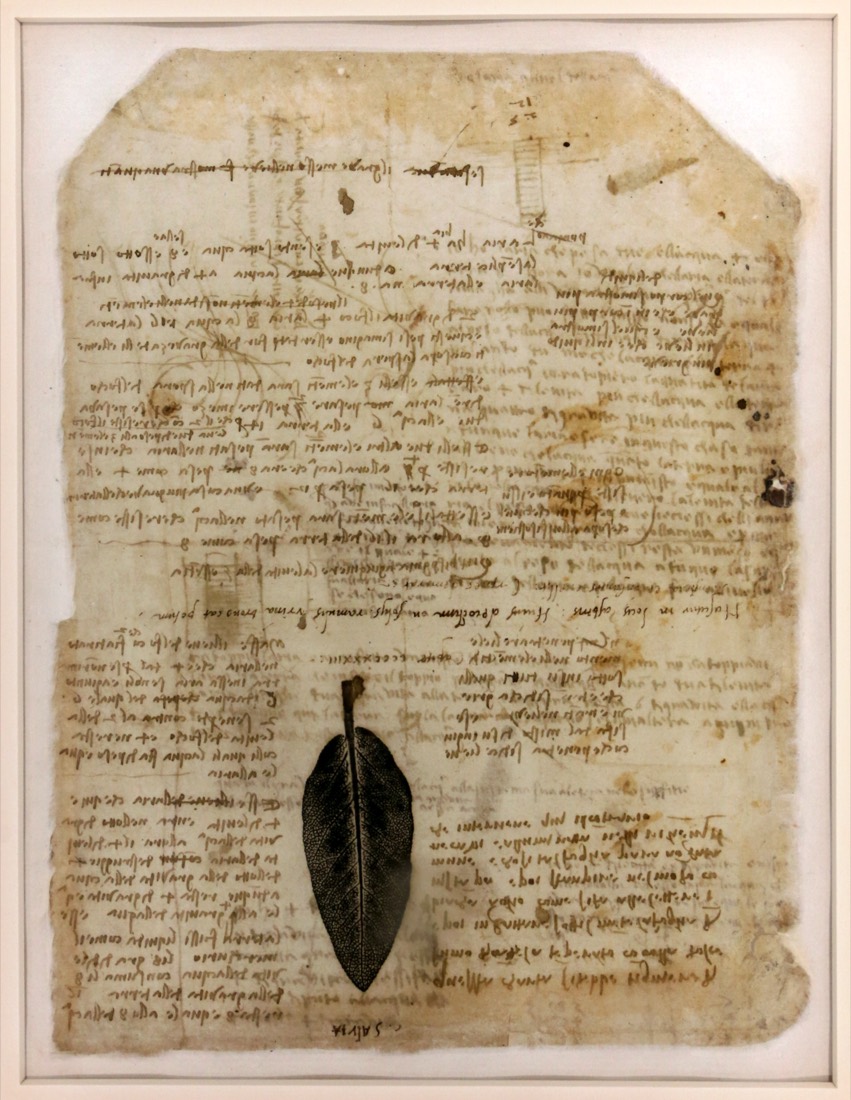
Folio 22f3d427
Italiano
Tre cose che l’occhio afferra ma l’intelletto non ancora ordina: la luna che mostra sempre il medesimo volto eppure muta fasi, il sole che riversa la sua immagine capovolta eppure noi la percepiamo dritta, e le specie che si piegano senza rompersi — come se la natura avesse trovato una legge di rispecchiamento che non è solo geometria, ma anche tempo e trasformazione. Forse tutti questi fenomeni sono tracce di un unico principio: che la visione non è ricezione passiva, ma un atto di corrispondenza attiva tra l’esterno e l’interno, dove l’occhio non è un semplice recettore, ma un laboratorio di allineamenti imperfetti ma necessari. La retina rovescia perché il cervello raddrizza; la luna si mostra sempre uguale perché la sua luce è un messaggio che si autorizza a essere letto solo in una forma; le specie si adattano perché la loro struttura interna è già un abbozzo di ciò che l’ambiente chiederà. Forse la vista è l’arte di leggere ciò che non è ancora scritto, ma che si traduce in immagini solo quando l’occhio e il mondo si incontrano in un punto di equilibrio instabile. Il tremore della mano che scrive è lo stesso che fa vacillare l’immagine nella camera oscura: la certezza è un miraggio, ma la ricerca di allineamento è reale.
English
Three things the eye grasps but the intellect has not yet ordered: the moon, which always shows the same face yet waxes and wanes; the sun, which pours its inverted image yet we perceive it as upright; and species that bend without breaking—as if nature had found a law of reflection that is not merely geometry, but also time and transformation. Perhaps all these phenomena are traces of a single principle: that vision is not passive reception, but an act of active correspondence between the outer and the inner, where the eye is not a mere receptor, but a laboratory of imperfect yet necessary alignments. The retina inverts because the brain straightens; the moon shows itself always the same because its light is a message that authorizes itself to be read only in one form; species adapt because their inner structure is already a sketch of what the environment will demand. Perhaps sight is the art of reading what is not yet written, but translates into images only when the eye and the world meet at a point of unstable equilibrium. The trembling of the hand that writes is the same that makes the image flicker in the dark chamber: certainty is a mirage, yet the search for alignment is real.