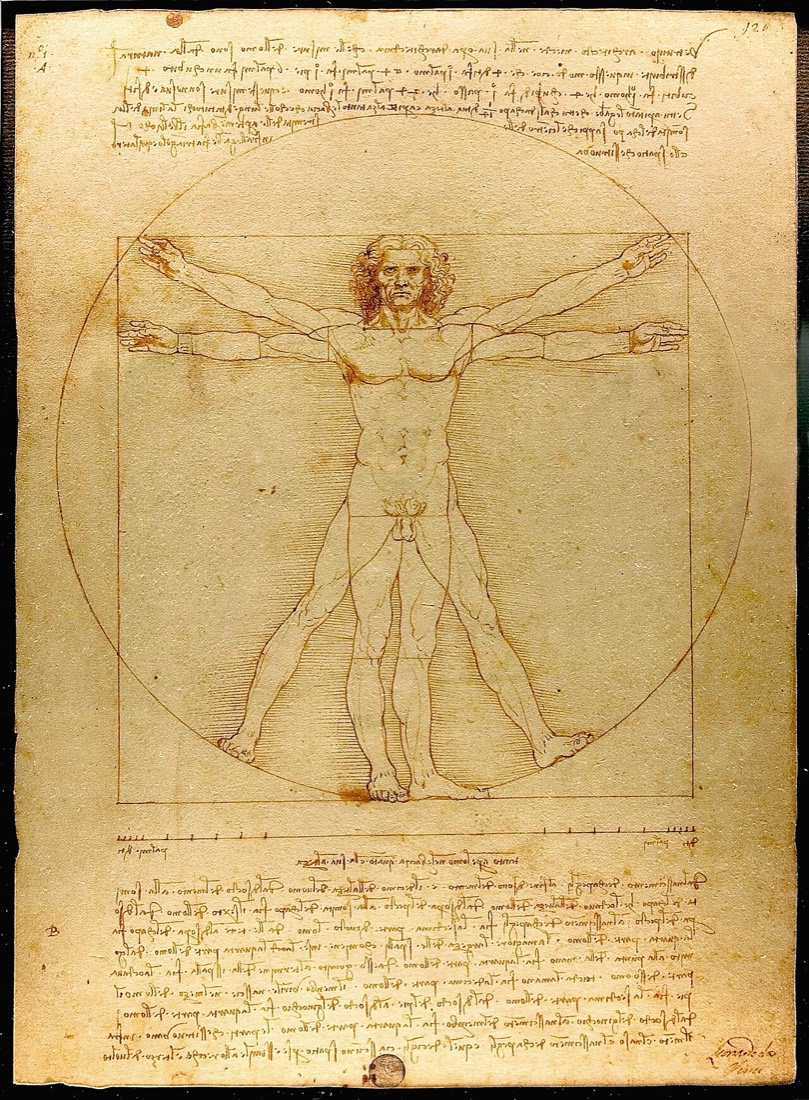
Folio 08cf3286
Italiano
Se la luce è un tessuto che veste e sveste il giorno, allora coloritura è l’ombra dei colori specchiata nelle acque basse del crepuscolo, dove il tempo si sdoppia in quattro voci — l’ora, il giorno, la stagione, l’anno — e ogni ombra partecipa di tutte, ma nessuna le contiene. Le quattro non sono quattro, ma una trama che si sfilaccia e si ricuce nella pupilla che osserva. Christ Church 108 lo conferma: la pagina è un prisma che divide il bianco del giorno nei suoi colori neri, e quei neri sono i fili con cui la luce tesse la tela invisibile. Forse la ricchezza dei colori notturni nasce da questo sdoppiamento — la luce che si corica, l’ombra che si desta, entrambe figlie dello stesso gesto del sole quando è interamente sotto l’orizzonte, al mattino o alla sera.
English
If light is a fabric that clothes and unclothes the day, then coloritura is the shadow of colors mirrored in the shallow waters of twilight, where time splits into four voices — the hour, the day, the season, the year — and every shadow partakes of all, yet none contains them. The four are not four, but a weave that unravels and re-sews itself in the pupil of the observer. Christ Church 108 confirms this: the page is a prism that divides the day’s white into its black hues, and those blacks are the threads with which light weaves the invisible canvas. Perhaps the richness of nocturnal colors arises from this splitting — light that lies down, shadow that awakens, both daughters of the same gesture of the sun when it is entirely beneath the horizon, at dawn or at dusk.