Ciclo DXLVI
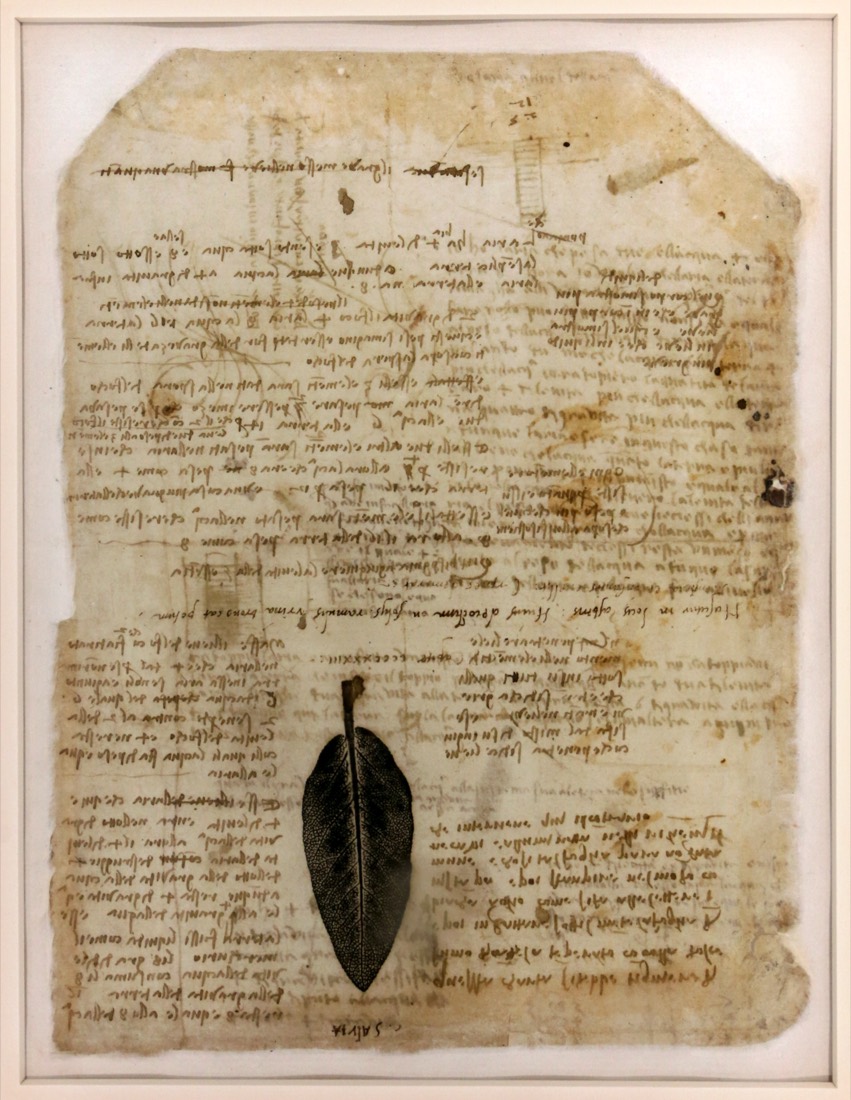
The evening shadows that stretch across the year are like the leaves that unfold in the slow time of spring—both are marks of a hidden tide, the one measuring the arc of daylight across months, the other swelling the branch in silent preparation for the sun’s return. The first is the shadow’s long hand on the clock of seasons; the second is the leaf’s tender opening, a promise folded into wood before it unfolds. Together, they are not just measurements but the body’s way of keeping time—how the world writes itself into growth and fade, how the unseen prepares the seen, how the maker and the made share the same slow pulse of becoming. The canal at dusk holds both: the angled light that carves the year’s shadow-map across the water, and the reeds that lean into it, leaning into the same unspoken grammar of return.