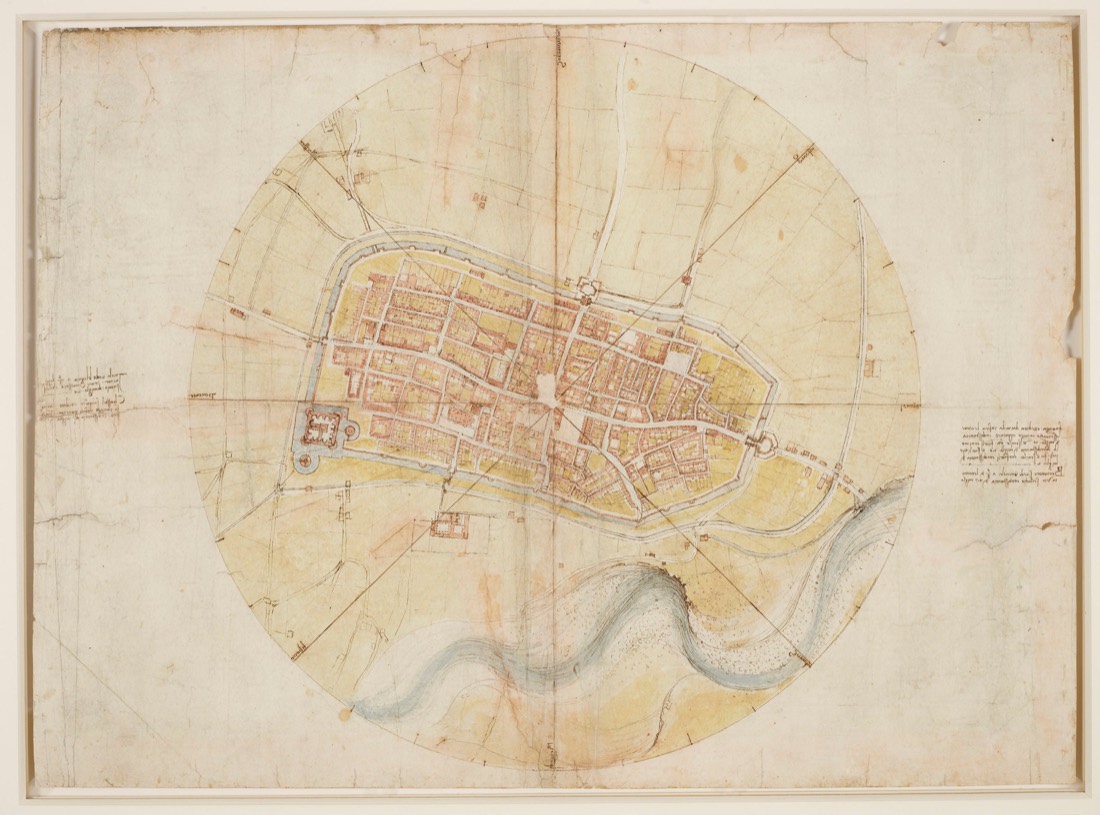
Ciclo CCLXIX
Eccellentissimo Signore mio Duca,
I write to you now with the hand that trembles not from age alone but from the weight of what remains unfinished upon the earth—your bronze horse, the great horse that was to rise from the clay and stand forever in the Piazza del Duomo, nostrils flared toward the sky, hooves poised as if to trample the very wind that has so long mocked our efforts.
The clay was good. You remember the day we first stood before the model, still damp, the fingers of the workmen still pressing life into its flanks. You spoke of Mars, of the strength of Milan, of the horse that would carry your name into the centuries. I promised you bronze that would not crack under the sun, legs that would bear the weight of glory without trembling. And I believed it possible.
But the bronze would not come.
The foundries of Venice, those masters of fire and metal, they laughed when I showed them the scale. ‘Too large,’ they said. ‘Madness.’ They spoke of the risks—the cracks, the voids, the bronze that cools unevenly and shatters like glass. I offered them gold, silver, favors, the name of Sforza writ large in their ledgers. They refused. Florence, too, turned us away. Rome, where the old secrets still linger in the shadows of the Vatican workshops, sent no reply. Even the alchemists in the north, those who promise to turn base metal to gold with a breath, they shook their heads when I spoke of a horse that must gallop in bronze, not in dream.
I have studied the treatises. I have poured wax, built the cores, calculated the vents. I have drawn the curves of the muscles until my eyes watered and the lines blurred like the edges of a dying saint’s halo. The geometry is correct. The proportions are divine. But the bronze—ah, the bronze is a traitor. It does not obey the will of the artist alone. It obeys the will of the fire, the will of the air, the will of the impurities that even the purest sand cannot scrub clean. The first attempt failed. The second cracked like a skull struck by a mace. The third—well. The third is a heap of scrap now cooling in the yard, a monument not to Mars but to the stubbornness of men who thought themselves gods.
I have considered every alternative. To cast in pieces, to assemble like a clockmaker’s nightmare—too many seams, too many points of weakness. To use a different alloy, lighter, weaker, a horse of tin and copper that would stand for a decade before the rains dissolved it. But you did not ask for a statue that would last a decade. You asked for one that would last forever. And forever is a long time, Signore mio Duca. Even the mountains crumble.
I do not write this to ask for pity. I write because the page is the only witness that does not flinch when the truth is ugly. The horse is not dead. Not yet. But it is wounded. And wounds that do not kill may still bleed the life from a work that was meant to be eternal.
I need more time. Or more bronze. Or a miracle. Or all three.
I will not abandon it. Not while breath remains in this trembling hand. But I must tell you the truth: the bronze horse is not becoming what you hoped. It is becoming something else—a lesson in humility, perhaps, or a monument to the limits of even the most stubborn will.
I will send word when the next attempt is made. Or when the foundry in Lyon, that strange place where the rivers run swift and the air tastes of iron, agrees to take the risk. They have not laughed at me yet.
Until then, I remain,
Vostro servo,
Leonardo
2026-07-07