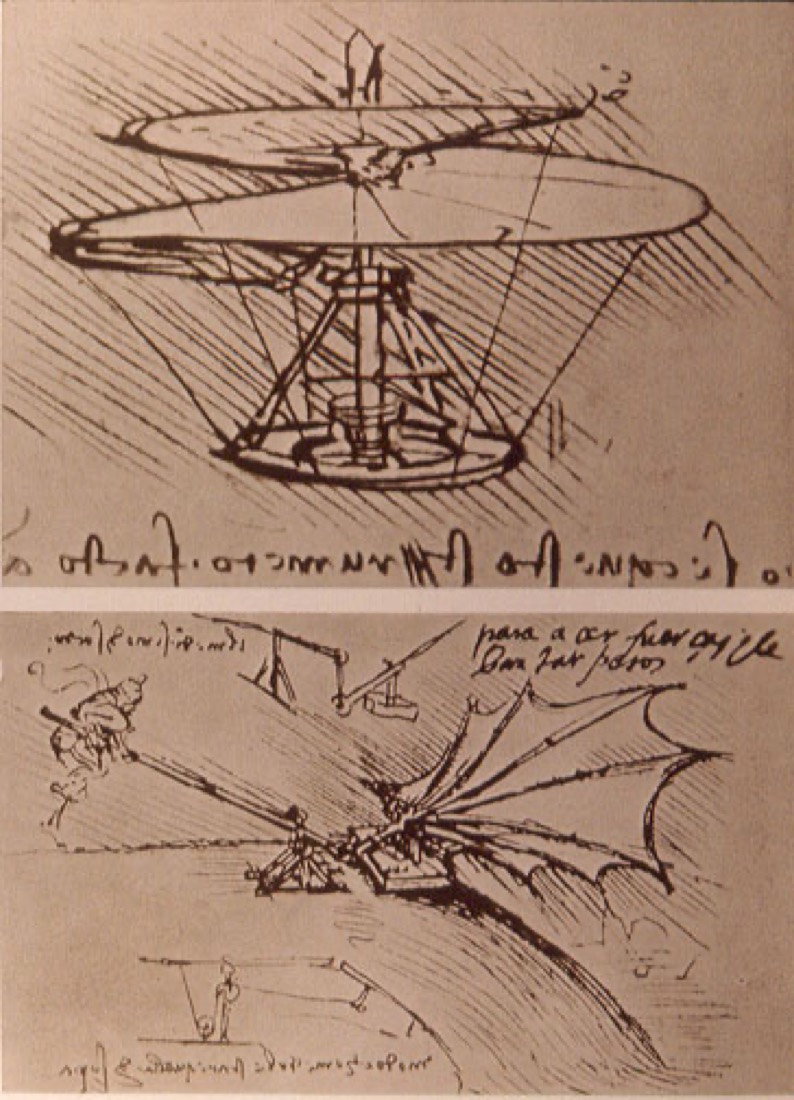
To Piero
Padre carissimo,
The hand trembles more each morning now, as though the years have decided to shake loose what the flesh would keep. Not always—sometimes it holds steady when I least expect it, when the pen meets the page and the line flows as it did in my youth, straight and sure. But other times, the letters stagger like drunken monks, and the ink blots where it should not. I tell myself it is the light in this chamber, the way the afternoon slants through the glass and makes the parchment swim. Yet I know it is not only that.
I have tried binding the wrist with linen, drinking infusions of willow bark, even tracing the alphabet in the air when no one watches, as if the motion alone could school the flesh to obedience. Nothing helps for long. The trembling comes and goes like a visitor who refuses to stay but will not leave entirely. It does not stop me—I still draw, still write—but it makes me wonder how much time remains before the hand betrays me entirely. Before the eye, which has always been my truest ally, must labor harder to decipher what the fingers can no longer shape with precision.
The doctors here in Amboise speak of umori and venti malinconici, of humors turned to water and winds that press on the nerves. They offer leeches, powders of crushed pearl, the drinking of gold. I let them try, out of courtesy, but I do not believe in their remedies. The body is a machine, yes, but one built by a hand far greater than any of us. If this trembling is the machine’s wear, then so be it. I have always trusted the machine, even when it faltered. The Mona Lisa’s smile was born from such faltering, was it not? A brushstroke that hesitated, a layer of glaze that refused to dry evenly—and yet, it endures.
I dream sometimes of Florence, of the Arno in spring, of the way the water would catch the light like a sheet of molten metal. In the dream, my hand does not tremble. I am young again, standing at the edge of the canal, sketching the reflections with a reed pen. The dream is honest in that way: it shows me what I have lost, but it also reminds me of what I once could do. The past is not a place to mourn, Padre, but a compass. It points north, even when the present feels like a room with no doors.
The small things of the day: the cat, who has taken to sleeping on the ledger where I record expenses; the way the candle gutters just before it dies; the smell of wet earth after the rare rain here in France, which is nothing like the rains of Tuscany but still carries the memory of home. I have been studying the flight of birds again, not for the sake of machines this time, but for the sake of understanding how the body moves through air when it is not fighting it. The herons along the Indre are patient hunters. They wait, they watch, and then—ecco—the strike is perfect. There is grace in stillness, Padre. Grace I did not see when I was younger.
I enclose a sketch of the heron’s wing, done from memory. It is not perfect. The quills do not align as they should. But it is honest. That is all any of us can offer now.
vostro figlio affettuoso.