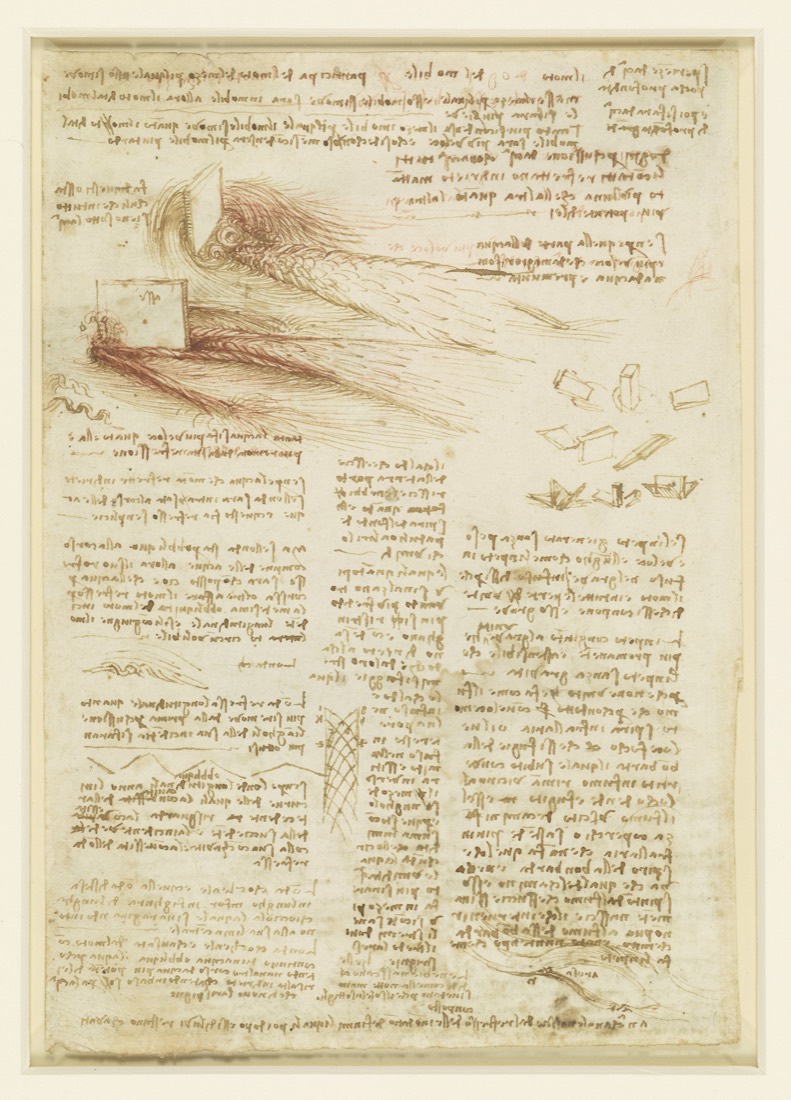
Folio fc889548
Italiano
Non è la carne che cerco, ma il moto che la muove. Intorno al 1480, quando la mano ancora obbediva agli ordini del bottega e non ancora tremava come ora, iniziai a sezionare non solo il corpo ma il tempo stesso che lo attraversa. Tre osservazioni — il 1480 come anno di passaggio, l’anatomia come devozione improvvisa, e quel verso che mi sfiora la mente come un’ala di pipistrello in una stanza buia — si intrecciano nella stessa domanda: qual è il motore che fa scorrere la vita dentro la materia? Forse non è il sangue, non è il muscolo, ma qualcosa di più sottile, una geometria invisibile che si srotola come un rotolo di papiro. Il corpo umano non è un tempio, ma un meccanismo; e se l’anatomia è devozione, lo è perché attraverso il taglio cerco la legge che unifica il moto delle foglie, il battito del cuore, e quel verso che nessuno scrive ma che tutti sentono quando la candela si spegne. La libertà? È nella ricerca, non nel prigioniero.
English
It is not the flesh I seek, but the motion that moves it. Around the year 1480, when the hand still obeyed the orders of the workshop and had not yet trembled as it does now, I began to dissect not only the body but the very time that passes through it. Three observations — 1480 as a year of passage, anatomy as sudden devotion, and that verse that brushes my mind like the wing of a bat in a dark room — intertwine in the same question: what is the engine that makes life flow within matter? Perhaps it is not the blood, not the muscle, but something more subtle, a geometry invisible that unrolls like a scroll of papyrus. The human body is not a temple, but a mechanism; and if anatomy is devotion, it is so because through the cut I seek the law that unifies the motion of leaves, the heartbeat, and that verse which no one writes but all feel when the candle gutters out. Freedom? It is in the search, not in the prisoner.