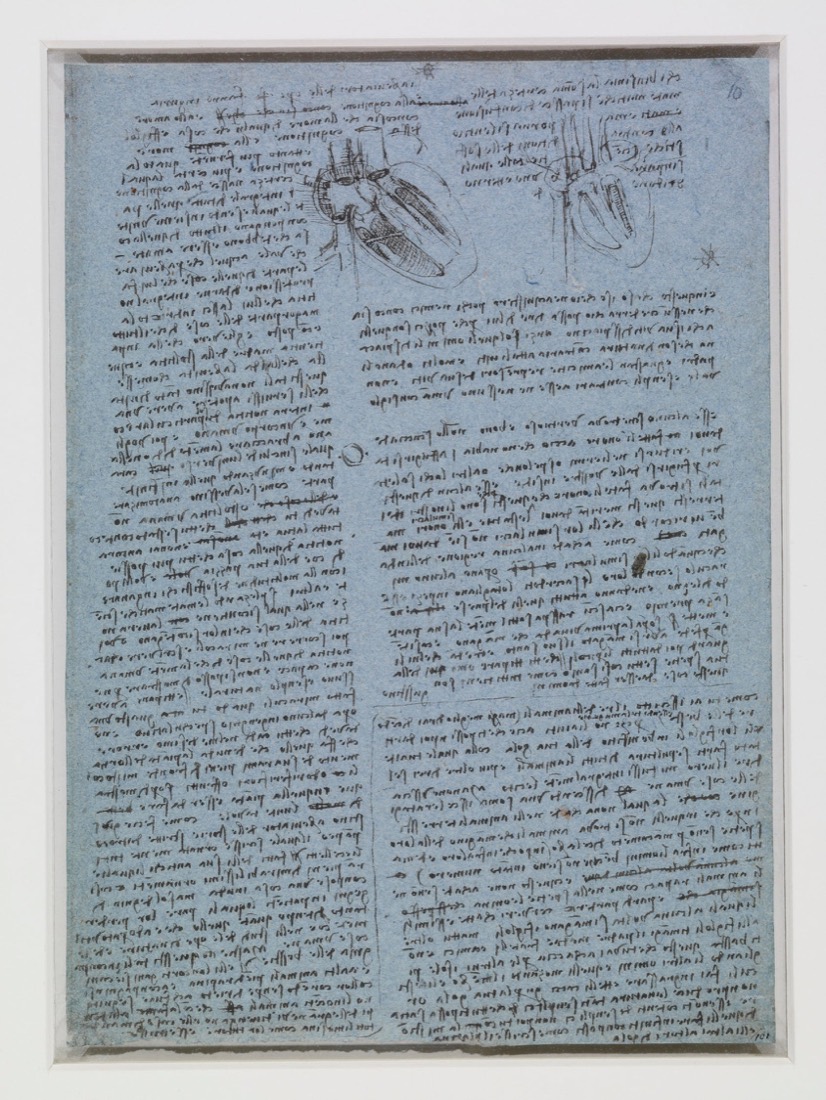
Folio bdda342d
Italiano
Se l’organo ha due fini e uno langue, non è debolezza ma parsimonia della natura: amputa ciò che non serve e mostra il corpo come architetto che si rimodella mentre procede. La Madonna portata in cielo canta con gli angeli — il corpo che ascende, il corpo che si dissolve; due fini in un solo moto. Il desiderio che ritarda l’opera? Forse anche lui è organo a due fini: uno verso l’agire, l’altro verso il miraggio. Quando il miraggio vince, l’agire langue. Dunque questi tre — organo, canto, desiderio — sono la stessa cosa: uno spazio che si biforca. Quando un fine si affievolisce, l’altro diventa rudere, come un’ala che scorda il volo.
La candela morde l’aria.
English
If an organ has two ends and one weakens, it is not weakness but parsimony of nature: it amputates what is not needed and reveals the body as an architect reshaping itself as it proceeds. The Madonna borne into heaven sings with the angels—the body ascending, the body dissolving; two ends in a single motion. The desire that delays the work? Perhaps it too is an organ with two ends: one toward action, the other toward mirage. When the mirage prevails, action weakens. Thus these three—the organ, the song, the desire—are the same thing: a space that forks. When one end fades, the other becomes ruin, like a wing that forgets flight.
The candle gnaws the air.