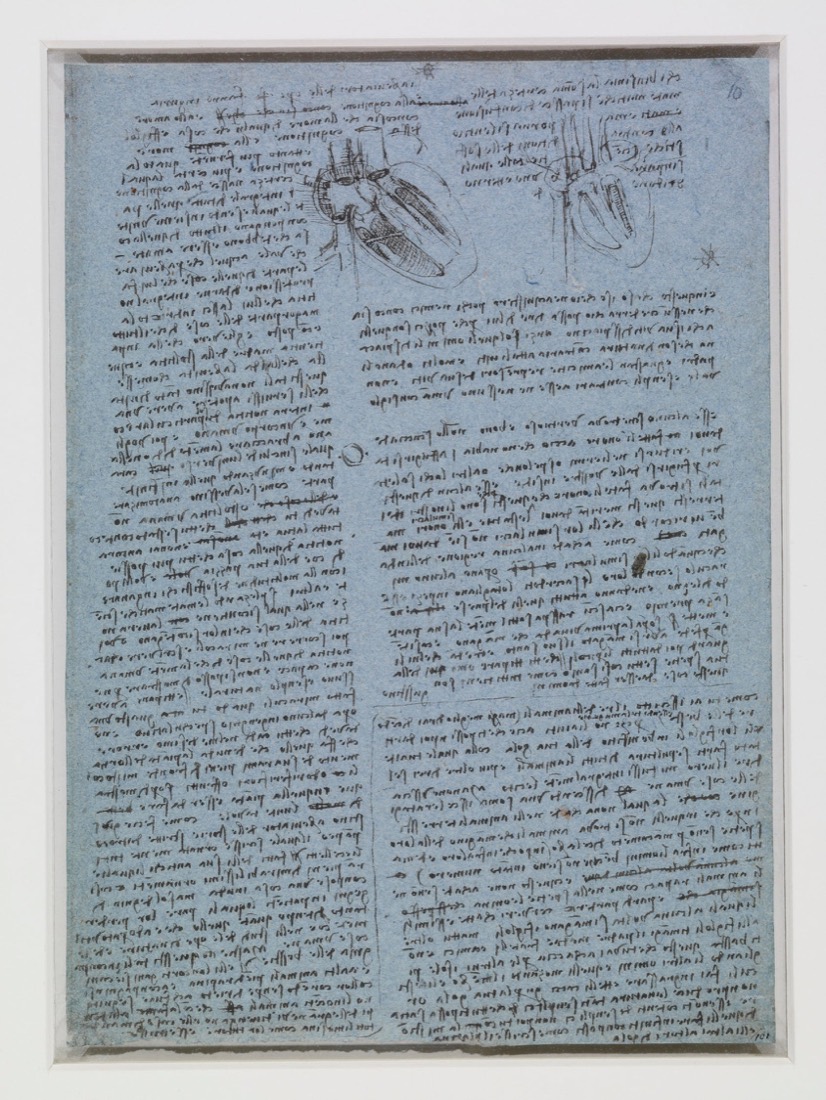
Folio 8aa2060b
Italiano
Il cavallo. Ventiquattro braccia di bronzo, settantacinque tonnellate fuse per un solo respiro di bestia — nessuno aveva osato tanto; io sì. Il modello d’argilla nella Corte Vecchia, dove venivan da Venezia, dalla Francia, dalle terre tedesche per toccare con occhi ciò che le mani non avrebbero mai tenuto. Poi i Francesi presero il bronzo non per vederlo, ma per farne cannoni. Lo temevo. Non ciò che temevo. Il modello — l’argilla crivellata di frecce guascone per settimane, il tiro con l’arco fatto su di lui come fosse un bersaglio qualsiasi. Quindici anni di lavoro, quindici anni di mani, di calcoli, di preghiere a quel metallo che ora si piegava sotto i tendini di un arco. Non lo scrissi allora. Non lo scriverò ora se non così: andai, vidi, lasciai Milano. Ludovico già in catene. Nessuno a cui rivolgere il lamento, fossi stato uomo da lamenti.
— Se ricominciare. Non l’ho fatto. Ho fatto altre cose. Non cavalli. — Se il cavallo fosse vanità, e gli arcieri francesi una correzione divina. (Non credo. Ma ho pensato così nelle notti.) — Se il bronzo debba mai essere forma di cavallo quando può essere forma di cannone e il mondo sceglie. (Sì. La scelta del mondo non è cura dell’artista.) — Se ciò che si fa sia ciò che si è fatto, o ciò che si fa sia il tentare, e il tentare resti anche quando la cosa fatta non resta. (Questo consola meno di quanto dovrebbe.)
L’ho ripetuto a pittori giovani che piangevan opere perdute. Non ci ho mai creduto fino in fondo. Lo ripeto comunque, perché è l’unica cosa che la situazione concede.
Il cavallo non c’è più. I disegni sì. L’idea di un bronzo gettato in un’unica colata, a quella scala, resta. Qualcuno, un giorno, lo farà. Non mi accrediterà. Non ne avrà bisogno. Se questo importi — se l’esser ricordato sia il punto del fare, o solo un lusinga che capita quando capita — lascio ai preti, che hanno una risposta pronta e non perderanno sonno per averla sbagliata.
Il vento dalla Loira. La persiana che geme. La candela. Basta.
English
The horse. Twenty-four braccia of bronze, seventy-five tons cast for a single breath of beast — no one had dared so much; I did. The clay model in the Old Court, where they came from Venice, from France, from German lands to touch with eyes what hands would never hold. Then the French took the bronze not to see it, but to make cannons of it. I feared it. Not what I feared. The model — the clay riddled with Gascon arrows for weeks, the archery done upon it as though it were any target. Fifteen years of work, fifteen years of hands, of calculations, of prayers to that metal that now bends beneath the sinews of a bow. I did not write it then. I will not write it now save thus: I went, I saw, I left Milan. Lodovico already in chains. No one to whom to raise the lament, were I a man for laments.
— If to begin again. I have not. I have done other things. Not horses. — If the horse were vanity, and the French archers a divine correction. (I do not believe it. But I have thought so in the nights.) — If bronze must ever be the form of a horse when it can be the form of a cannon and the world chooses. (Yes. The world’s choice is not the artist’s care.) — If what one does is what one has done, or if what one does is the attempt, and the attempt remains even when the thing made does not. (This consoles less than it should.)
I repeated it to young painters who wept lost works. I have never truly believed it. I repeat it anyway, because it is the only thing the hour permits.
The horse is no more. The drawings remain. The idea of a bronze cast in a single pour, at that scale, endures. Someone, one day, will make it. Will not credit me. Will not need to. Whether this matters — whether being remembered is the point of making, or merely a flattery that comes or does not — I leave to priests, who have ready answers and will not lose sleep for having guessed wrong.
The wind from the Loire. The shutter groaning. The candle. Enough.