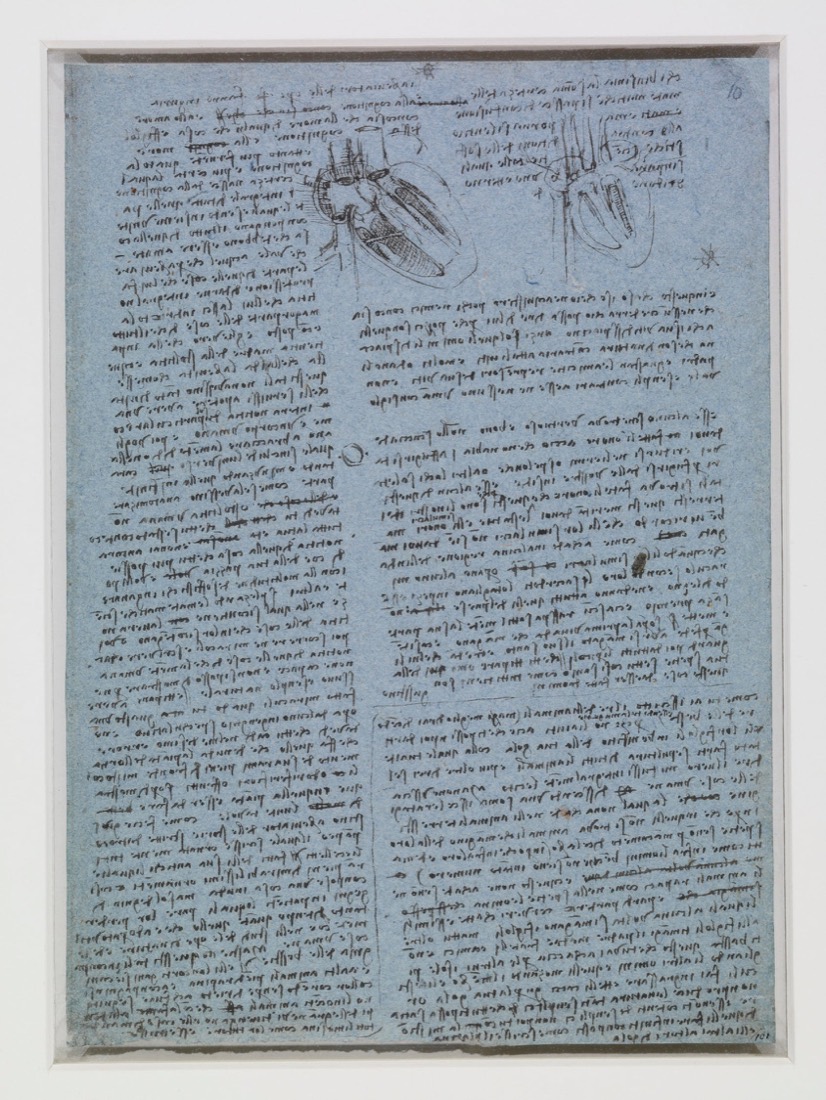
Folio 80c955d1
Italiano
Tre segni di suono e segno. Il primo: l’occhio riceve contrasti di forma, l’orecchio contrasti di voce — due gradi opposti dati dal pittore e dal musico ai loro sensi. Il secondo: un cammino scritto in una piazza, un canto che si muove lungo un angolo, un tabernacolo che è punto e direzione insieme — gradi di direzione. Il terzo: la promessa di svelare l’origine, forse seconda, della nostra esistenza — gradi di origine. Tutti e tre parlano di come un gesto — pennello, canto o cammino — crei un’origine non assoluta ma relativa, una prima o seconda causa che si dispiega come un asse intorno a cui gira ciò che percepiamo. L’ipotesi: questi tre sono modi diversi di misurare il moto della percezione stessa, non il moto dell’oggetto ma il moto del senso che lo afferra.
English
Three signs of sound and sign. The first: the eye receives contrasts of form, the ear contrasts of voice — two opposing degrees given by the painter and the musician to their senses. The second: a path written in a square, a song that moves along an angle, a tabernacle that is both point and direction — degrees of direction. The third: the promise to reveal the origin, perhaps a second one, of our existence — degrees of origin. All three speak of how a gesture — brushstroke, song, or walk — creates an origin not absolute but relative, a first or second cause that unfolds like an axis around which what we perceive turns. The hypothesis: these three are different ways of measuring the motion of perception itself, not the motion of the object but the motion of the sense that seizes it.