Folio 7d676b4e
Italiano
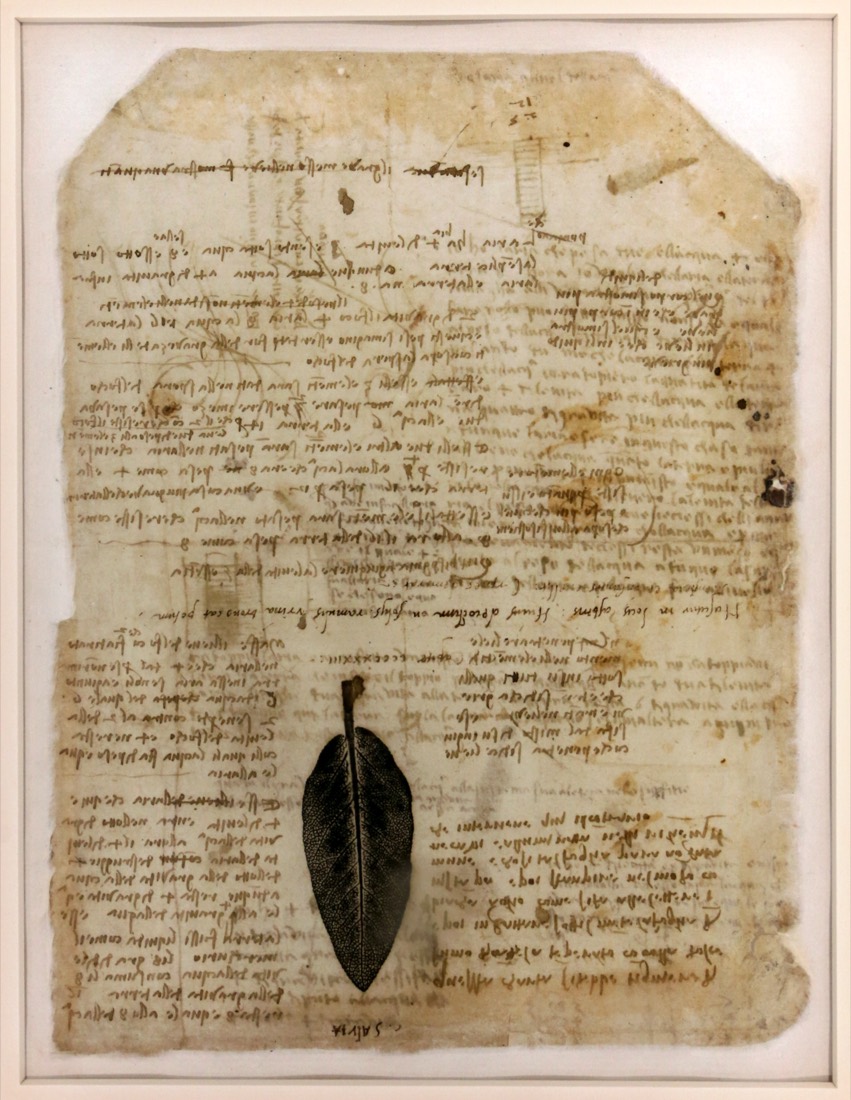
Le tre osservazioni parlano di un principio che non è della pianta sola, né del cammino dell’uomo, ma della forza che si accumula dove la resistenza è maggiore. L’albero che aggiunge spessore alla cicatrice fa come il pittore che stende il pigmento oltre il bisogno — un eccesso che non nutre la carne ma la memoria della ferita. Il passo dell’uomo in salita e discesa (375-379) è un altro ritmo di resistenza: ogni passo è un peso che si deposita, un solco che potrebbe rimanere o sparire, ma che in qualche modo chiede di essere contato. Forse tutte e tre sono tracce di una legge universale: dove la materia incontra la forza viva, si forma un margine di sicurezza che non serve al presente ma prepara il futuro. Il segno sulla corteccia, la pennellata del maestro, il piede che insiste sul terreno — sono atti di previdenza cieca, una grammatica del sopravvivere che non distingue tra legno e carne e pietra.
English
The three observations speak of a principle that belongs neither to the plant alone nor to the path of the man, but to the force that accumulates where resistance is greatest. The tree that thickens the scar does as the painter who spreads the pigment beyond necessity — an excess that does not nourish the flesh but the memory of the wound. The step of the man in ascent and descent (375–379) is another rhythm of resistance: each step is a weight that settles, a furrow that may remain or vanish, yet in some way asks to be counted. Perhaps all three are traces of a universal law: where matter meets living force, a margin of safety forms — one that serves not the present but prepares the future. The mark upon the bark, the master’s brushstroke, the foot that insists upon the ground — these are acts of blind foresight, a grammar of survival that makes no distinction among wood, flesh, and stone.