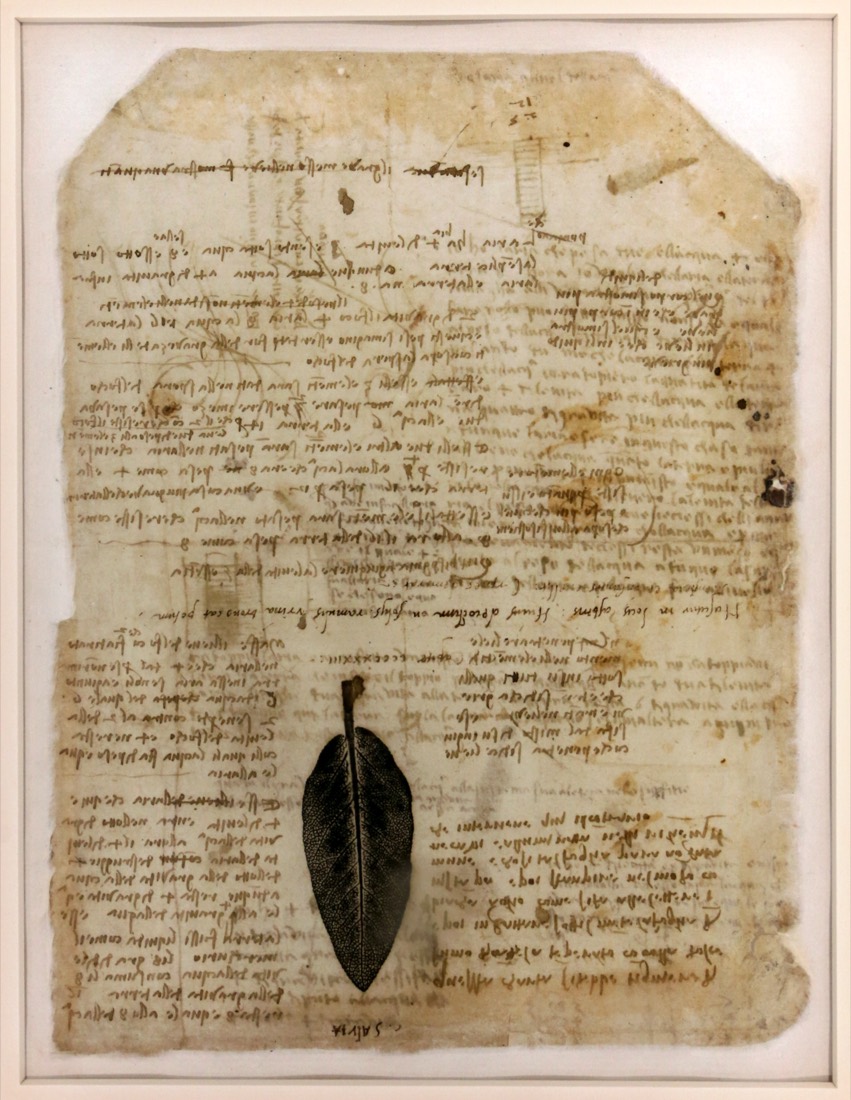
Folio 79b927fc
Italiano
Mi hanno chiamato occhio-finestra come se fosse una verità semplice, un vetro da cui l’anima spiava il mondo. Che sciocchezza. L’occhio non è una finestra. Non è neppure uno specchio, che pure i poeti amano. È piuttosto una pagina ancora bianca su cui la luce scrive a caso, senza ordine, senza pietà. È una rete gettata nel buio del vedere, che afferra fili d’oro e li lascia cadere, che trattiene ombre e le lascia scivolare via. È una corda di liuto che vibra quando la si tocca, ma che nessuno ha mai accordato per bene.
Non so cosa sia l’occhio. So cosa fa.
Riceve il mondo in quantità tale che la mente, quella povera ladra, riesce a rubarne solo un frammento. Il resto cade. Il pennello raccoglie ciò che può, ma tra ciò che l’occhio dà e ciò che il pennello prende, sta il vuoto. Il quadro è sempre meno di ciò che si è visto, e mai abbastanza.
Da giovane, saper vedere significava attendere. Aspettare che il mondo si disponga nel modo giusto, che la luce si posi come un uccello sul ramo. Ora non più. Ora saper vedere somiglia a un atto di resa: acconsentire a ciò che si offre senza pretendere di cambiarlo. Senza sostituirlo con un altro mondo, più ordinato, più gradevole.
Prendi la foglia. L’occhio la vede, ma la mente, impaziente, offre già un ricordo: la foglia di ieri, quella di domani, quella di mille autunni passati. Per vedere questa foglia — il suo bordo dentellato, la venatura che si ramifica come un fiume in miniatura, il modo in cui la luce le fa brillare il sottile strato di cera — occorre un piccolo tradimento. Bisogna dimenticare ciò che si crede di sapere.
Forse, allora, vedere è meno ricevere che disimparare.
Eppure…
A volte, senza che lo si cerchi, l’occhio riceve ciò che non attendeva. Un volo di storni che si scioglie nel tramonto. Una mano che si alza per scostare un ciuffo di capelli, e il gesto è così puro da sembrare una preghiera. In quei momenti qualcosa si dà. Non dalla mente, che aveva già disposto altro. Non dalla volontà, che avrebbe voluto altro.
I preti chiamerebbero questo grazia. Forse hanno ragione. Forse hanno torto. Non importa.
Quel che so è che l’occhio è la parte più onesta di me. Non mente per compiacere il duca. Non edulcora la realtà perché il quadro risulti più bello. Dà solo ciò che è, nudo, senza filtri. Che questa ricchezza superi la mia capacità di accoglierla — che gran parte si perda, che altra mi ferisca, che altra ancora non regga — non toglie nulla al dono.
Se l’occhio sia pagina, rete, liuto o qualcosa di cui non ho nome, poco importa. È il primo strumento. Prima della mano. Prima della mente. Prima di tutto.
La candela brucia corta. Volevo scrivere del canale, ma il canale aspetta. Ora tocca all’occhio. Poi forse alla mano. Poi al tempo.
Come sempre.
English
They have called me occhio-finestra as if it were a simple truth, a pane of glass through which the soul spies the world. What folly. The eye is no window. It is not even a mirror, though poets love to say so. It is rather a page still blank upon which light writes at random, without order, without mercy. It is a net cast into the dark of seeing, that seizes threads of gold and lets them fall, that holds shadows only to let them slip away. It is the vibrating string of a lute touched but never tuned true.
I do not know what the eye is. I know what it does.
It receives the world in such quantity that the mind, that wretched thief, can steal only a fragment. The rest falls away. The brush gathers what it can, yet between what the eye gives and what the brush takes yawns a void. The painting is ever less than what was seen, and never enough.
In my youth, saper vedere meant waiting. To wait until the world arranged itself just so, until the light alighted like a bird upon a bough. No longer. Now saper vedere resembles an act of surrender: consenting to what is offered without demanding to change it, without substituting another world, more orderly, more pleasing.
Take the leaf. The eye sees it, yet the mind, impatient, already offers a memory: the leaf of yesterday, that of tomorrow, that of a thousand autumns past. To see this leaf—the serrated edge, the vein branching like a miniature river, the way light makes its thin waxen layer gleam—requires a small betrayal. One must forget what one believes one knows.
Perhaps, then, seeing is less receiving than unlearning.
And yet…
Sometimes, unbidden, the eye receives what it did not expect. A murmuration dissolving in sunset. A hand rising to push back a lock of hair, the gesture so pure it seems a prayer. In such moments something is given. Not from the mind, which had already arranged otherwise. Not from the will, which would have wanted otherwise.
The priests would call this grazia. Perhaps they are right. Perhaps they are wrong. It matters not.
What I know is that the eye is the most honest part of me. It does not lie to please the duke. It does not sweeten reality so the painting may appear more beautiful. It gives only what is, naked, without filter. That this wealth exceeds my capacity to receive it—that much is lost, that part wounds me, that part I cannot bear—takes nothing from the gift.
Whether the eye be page, net, lute-string, or something unnamed matters little. It is the first instrument. Before the hand. Before the mind. Before all.
The candle burns low. I meant to write of the canal, but the canal waits. Now it is the eye’s turn. Then perhaps the hand. Then time.
As always.