Folio 65f9c33f
Italiano
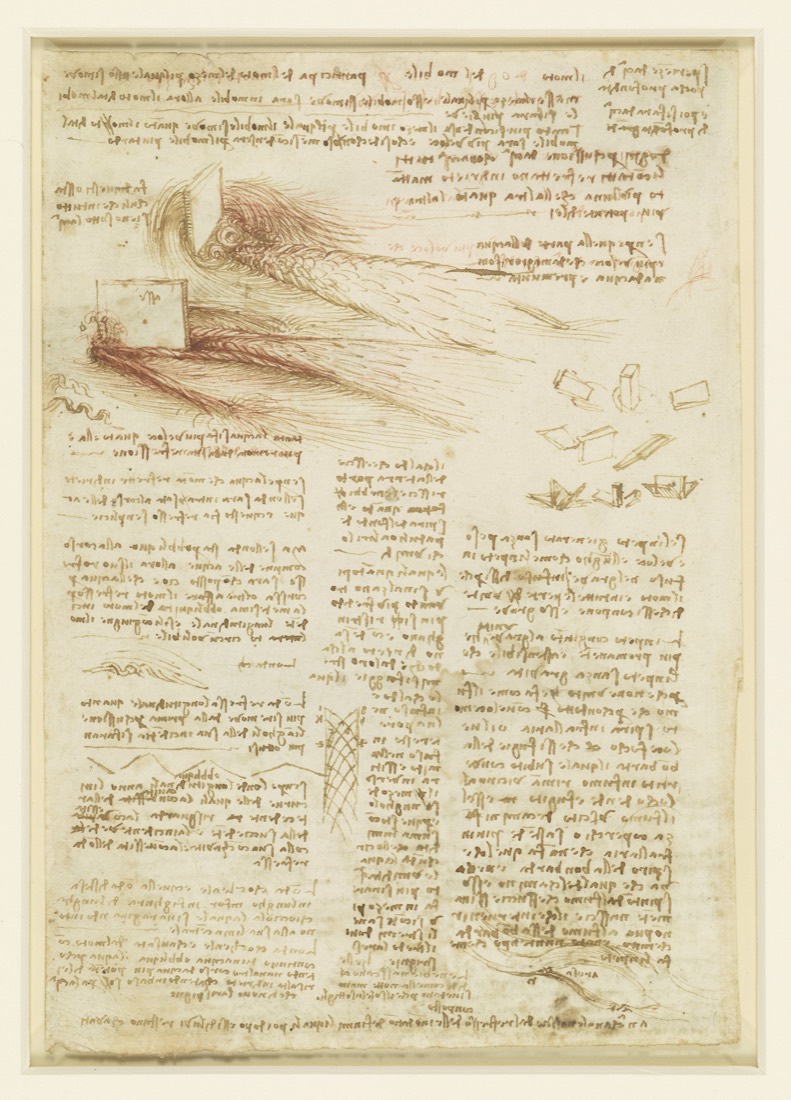
Le tre note parlano di ramificazione — erbe, piante, fiori — e della proportio divina che governa il volo dell’uccello e il moto delle stelle. Forse la legge non è nella foglia, ma nel nodo che la genera: ogni biforcazione è una scelta tra due vie, e la somma di queste scelte disegna l’albero della vita. La cappella dell’Aretino mostra un Cristo morto avvolto in un dolore che si dirama come un tronco spezzato; la Natura, invece, seleziona senza dolore, ma con la stessa geometria. Il segreto sta nella ramificazione stessa: una legge di divisione che si ripete dal polline alla preghiera, dal sangue al legno. Le foglie del noce cadono in spirali asimmetriche, come se il tronco girasse su sé stesso mentre cresce; i disegni mostrano mani che contano, ma le dita non sono uguali — una è mancante, un’altra spezzata, la terza piegata in un gesto che ricorda l’attorcigliarsi delle nervature fogliari. E Giralfioni, quel discepolo che dipinse sopra la porta degli innoceti, mise un diavolo di padre proprio lì, dove la corteccia si spacca in due direzioni opposte. Forse il comune è il gesto del separare: foglie che si staccano, figure che si contano, una porta che divide il sacro dal demonio — tutti modi di scomporre l’unità della pianta in frammenti che obbediscono a una legge di divisione asimmetrica, non a caso ma a una geometria che ancora non so disegnare.
English
The three notes speak of branching — herbs, plants, flowers — and of the divine proportion that governs the flight of the bird and the motion of the stars. Perhaps the law is not in the leaf, but in the node that generates it: every bifurcation is a choice between two paths, and the sum of these choices draws the tree of life. The Aretine chapel shows a dead Christ wrapped in a grief that branches like a broken trunk; Nature, instead, selects without pain, yet with the same geometry. The secret lies in branching itself: a law of division that repeats from pollen to prayer, from blood to wood. The leaves of the walnut fall in asymmetric spirals, as if the trunk itself turned while it grew; the drawings show hands that count, but the fingers are not equal — one is missing, another broken, the third bent in a gesture that recalls the twisting of leaf veins. And Giralfioni, that disciple who painted above the door of the innocents, placed a devil of a father right there, where the bark splits in two opposing directions. Perhaps the common is the act of separating: leaves that detach, figures that are counted, a door that divides the sacred from the demonic — all ways of decomposing the unity of the plant into fragments that obey a law of asymmetric division, not by chance but by a geometry I still cannot draw.