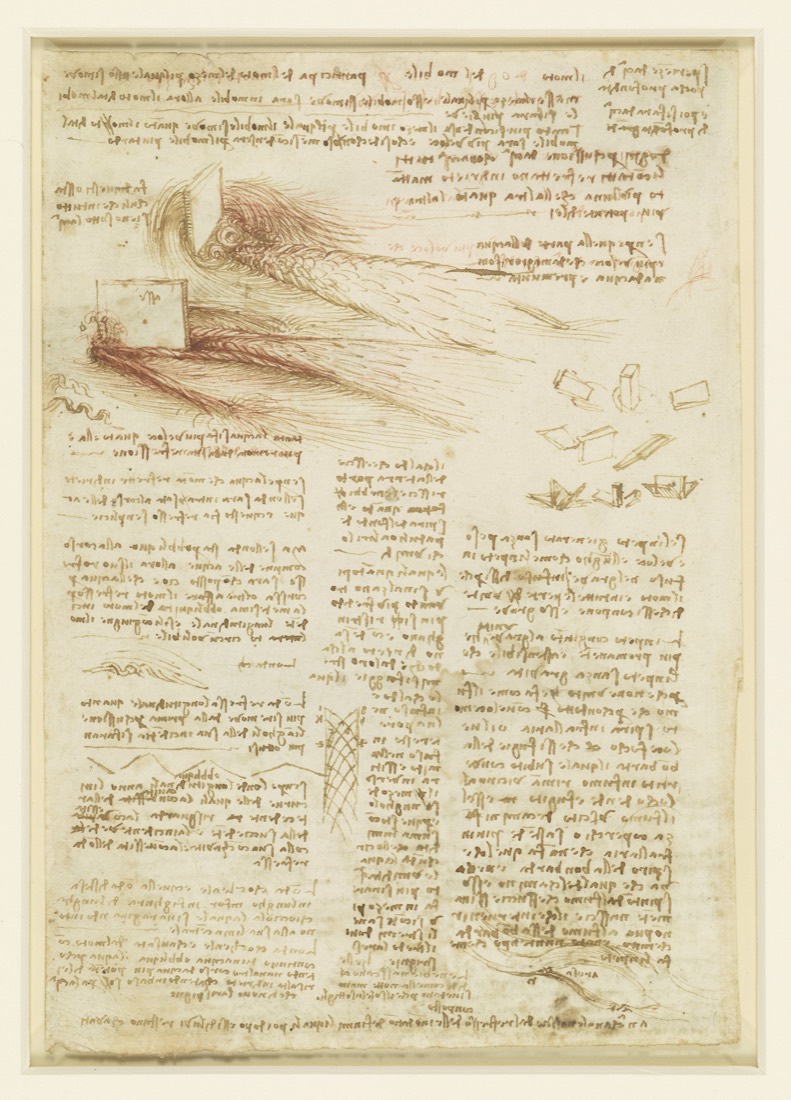
Folio 61c1d149
Italiano
La foglia non si posa diritta sopra quella che sta sotto. Se lo facesse, l’inferiore non avrebbe né acqua né luce, e la pianta avrebbe sprecato una vita. Invece, ogni foglia ruota di un angolo preciso rispetto a quella sottostante. L’ho visto nell’olmo, nel castagno, nella rosa, nel pero. L’angolo cambia da pianta a pianta, ma è fisso nella stessa specie. Perché? Prima pensavo fosse solo per evitare l’ombra. Ma non è tutto. Se si guarda dall’alto lungo il fusto, dopo un certo numero di giri — cinque nell’olmo, otto nella rosa, tredici nel pino — una foglia ricompare quasi sopra la prima. La pianta ha scelto l’angolo affinché nessuna delle sue figlie sia soffocata prima che sia tempo, affinché la prima muoia o cada e quella nuova possa prendere il suo posto senza lotta. Questa è preveggenza senza pensiero. Non so come la pianta lo sappia. Forse non lo sa. L’angolo è esatto. L’esattezza senza intelletto è ciò che mi trattiene dal chiudere il libro. Mi chiedo: l’angolo è della pianta, o è l’angolo che il mondo le impone? Se il secondo, allora la pianta non sceglie — obbedisce. Se il primo, allora c’è qualcosa in lei che decide, e non so cosa sia. Credo sia il secondo. Credo che la maggior parte delle cose, guardate abbastanza a lungo, siano la scelta del mondo, non di chi sembra scegliere. Ma non sono certo. Certo è l’angolo. Ho una pagina di misure nel quaderno piccolo. Il castagno: un terzo di giro più un resto. La rosa: più vicino ai due quinti. Il pino: un giro ampio, ma il disegno torna ogni tredicesima foglia — meraviglia a sé. Chi finirà questo avrà bisogno di strumenti più precisi dei miei. Gli angoli sono esatti, ma le mie mani tremano e i calibri mentono. Un giorno qualcuno darà nomi a questi angoli e li scriverà in numeri che io non capirei. Bene. Lo faccia. Il pino fuori dalla finestra è nell’ombra ora. Non riesco a contare i giri in questa luce. Domani, forse.
English
The leaf does not rest straight upon the one beneath it. If it did, the lower leaf would receive neither water nor light, and the plant would have wasted a life. Instead, each leaf turns at a precise angle relative to the one below. I have seen this in the elm, the chestnut, the rose, the pear tree. The angle varies from plant to plant, but it is fixed within the same species. Why? At first I thought it was only to avoid shade. But it is more than that. If one looks down the stem from above, after a certain number of turns — five in the elm, eight in the rose, thirteen in the pine — a leaf reappears almost directly above the first. The plant has chosen the angle so that none of its daughters are choked before their time, so that the first may die or fall and the new one may take its place without struggle. This is foresight without thought. I do not know how the plant knows this. Perhaps it does not know. The angle is exact. Exactitude without intellect is what keeps me from closing the book. I wonder: is the angle the plant’s, or is it the angle the world imposes upon it? If the latter, then the plant does not choose — it obeys. If the former, then there is something in it that decides, and I do not know what that is. I believe it is the latter. I believe that most things, looked at long enough, are the choice of the world, not of whoever seems to choose. But I am not certain. Certain is the angle. I have a page of measurements in the small notebook. The chestnut: one-third of a turn plus a remainder. The rose: closer to two-fifths. The pine: a wide turn, but the pattern returns every thirteenth leaf — a wonder in itself. Whoever finishes this will need instruments more precise than mine. The angles are exact, but my hands tremble and the calipers lie. One day someone will give names to these angles and write them in numbers that I would not understand. Good. Let them do so. The pine outside the window is in shadow now. I cannot count the turns in this light. Tomorrow, perhaps.