Folio 4b0e8b90
Italiano
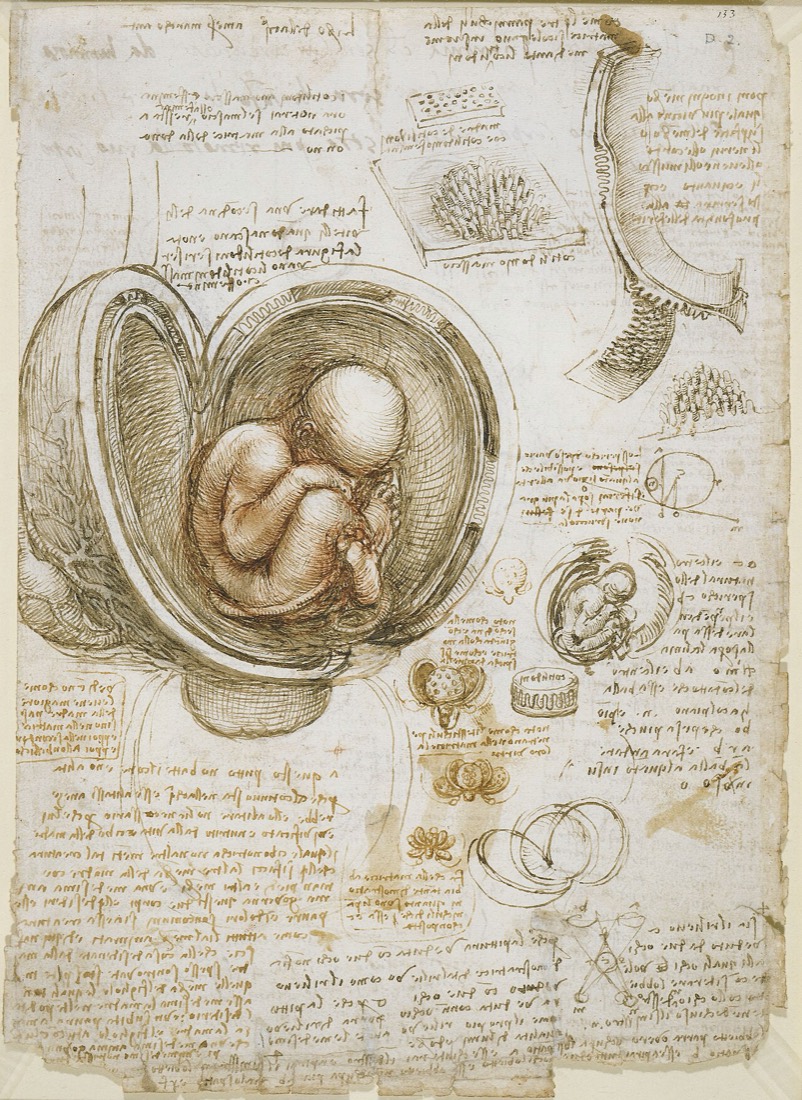
Tre frammenti, tre bocche di fiume che gettano acqua in uno stesso mare: l’uno parla di semi nati nel chiostro, l’altro di una forza lunare che si misura con i quadrati delle distanze, l’ultimo di cibo che frena la crescita delle specie. Tutti e tre chiedono di essere letti come misure — non di ciò che è, ma di ciò che limita. Il seme non diventa albero senza il suolo che lo contiene; la Luna non trattiene la terra senza una distanza che cresce al quadrato; la specie non cresce oltre il cibo che trova. Dunque la legge comune non è nell’abbondanza, ma nel vincolo che la misura. Forse la botanica non è altro che l’arte di leggere i limiti scritti nelle cose, come se ogni foglia, ogni radice, ogni ciclo lunare fosse un quadrante che segna fino a dove si può arrivare. E se così non fosse, allora queste tre voci sono solo rumore di un mulino a vento che macina vento.
English
Three fragments, three river mouths pouring water into the same sea: one speaks of seeds born in the cloister, another of a lunar force measured by the squares of distance, the last of food that curbs the growth of species. All three ask to be read as measures—not of what is, but of what limits. The seed does not become a tree without the soil that contains it; the Moon does not hold the Earth without a distance that grows by the square; the species does not grow beyond the food it finds. Thus the common law is not in abundance, but in the constraint that measures. Perhaps botany is nothing more than the art of reading the limits written into things, as if every leaf, every root, every lunar cycle were a dial marking how far one may go. And if not so, then these three voices are only the noise of a windmill grinding wind.