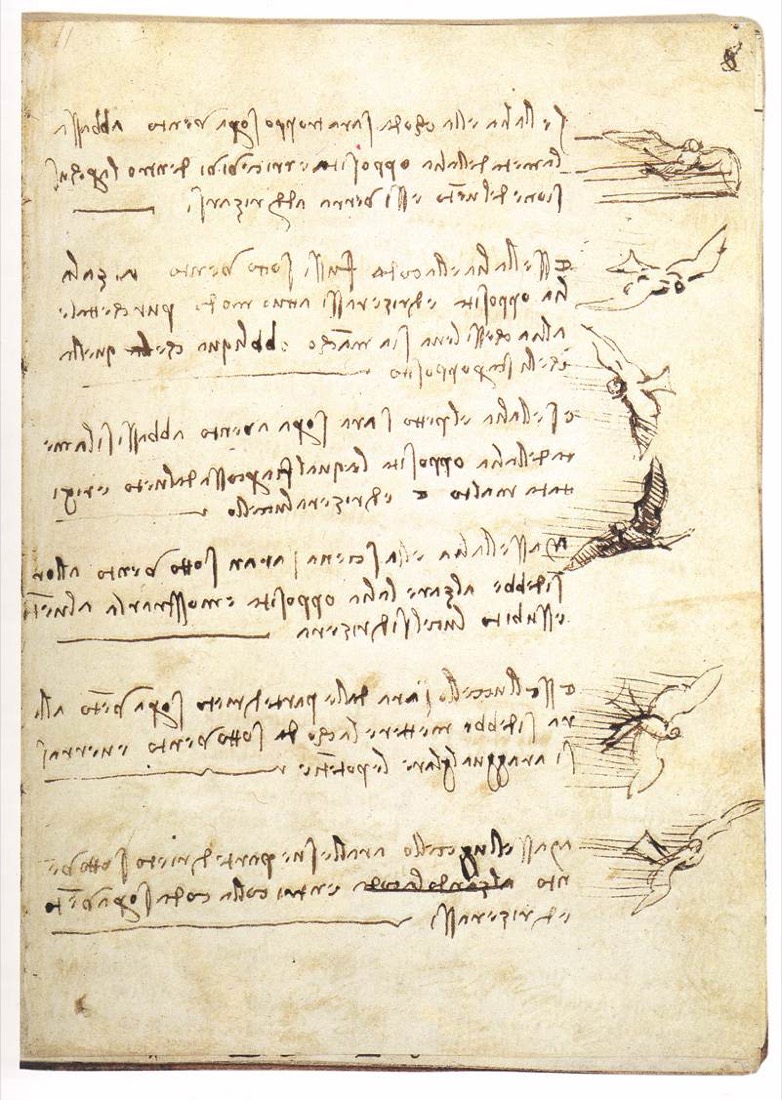
Folio 3d3c3e90
Italiano
Scrivo a voi non perché conosca il vostro nome, né perché creda che sediate da qualche parte in questo secolo ad attendere l'inchiostro sopraggiungere. Scrivo perché la mano, la mano, è la sola parte onesta che mi rimane e anch'essa comincia a tradire.
Questa mattina ho tentato di disegnare i tendini dell'avambraccio — lo stesso avambraccio che ho disegnato cento volte da Bologna in poi, da quel primo cadavere dischiuso come un libro davanti a me. Il segno non obbediva. Esitava. Non per mancanza di sapere; il sapere è lì, è ancora lì, conficcato nella mente come un chiodo nella quercia. Ma i piccoli muscoli tra pollice e indice — quei muscoli che ubbidivano al pensiero come il pensiero obbedisce alla volontà — ora esitano. Tremolano. Introducono un'oscillazione dove intendevo certezza.
E ho pensato: questo non è fallimento. È il corpo che diventa suo proprio soggetto. Ho speso una vita a disegnare la mano come strumento — la mano che tiene il coltello, la mano che mescola il pigmento, la mano che scrive la lettera. Ora la mano non è più strumento. È oggetto. È la cosa che studio. Il tremito non è errore nel segno; è il contenuto vero del segno.
Voi che leggete — se leggete — forse sarete giovani. La vostra mano sarà certa. Non vi invidio questa certezza; vi compiango per l'ignoranza che ne consegue. Non sapete ancora che la mano ha memoria propria, stanchezza propria, piccole ribellioni contro l'intenzione dell'anima. Non sapete ancora che la mano invecchia prima del cuore — la mano invecchia prima del cuore.
Penso al peso. Non al peso delle cose — quello è semplice, è geometria, è Archimede e la leva e la bilancia. Intendo il peso della mano stessa. Quando ero giovane a Firenze, la mia mano non pesava nulla. Si muoveva sul foglio come un uccello sull'acqua — toccando, lasciando, toccando ancora — e i segni che lasciava erano più leggeri del respiro. Ora la mano ha gravità. Premendo. Il gesso si spezza. La penna scava. Ora devo pensare la leggerezza; non giunge per grazia.
Non è forse una parabola? Diffido dalle parabole. Sono il rifugio di chi non sa dimostrare. Eppure — e pur — il corpo insegna per parabole, che lo vogliamo o no. La mano che un tempo volava ora insiste sulla sua massa. L'occhio che un tempo vedeva tutto ora deve scegliere, deve selezionare, deve ammettere che la periferia è perduta. Non è tragedia. È il Facitore che insegna la sottrazione.
Conobbi un uomo a Milano — un liutista, non un pittore — che perse l'uso di tre dita per febbre. Venne da me dopo, non per compassione ma per geometria. Voleva sapere: dato quattro corde e sette tasti, e solo il pollice e un dito rimasti, quale musica era ancora possibile? Non quale musica fosse perduta — aveva già pianto quella — ma cosa rimaneva. Cosa potesse ancora farsi con lo strumento diminuito.
Disegnai diagrammi. Calcolammo gli intervalli. Ed egli suonava, suonava, con quella mano rovinata, musica che non avevo udito prima — non perché fosse nuova nel mondo, ma perché nessuna mano era stata ridotta a quei vincoli esatti. La limitazione fu l'invenzione.
Ora penso a lui. La mia mano non è rovinata — non ancora — ma è ridotta. Il raggio del moto si stringe. Le regolazioni fini — il mezzo tono della pressione, il quarto di grado dell'angolo — se ne vanno uno dopo l'altro, come ospiti che lasciano un banchetto. E devo porre la sua stessa domanda: cosa rimane? Cosa può ancora farsi con questo strumento ridotto?
La risposta, sospetto, non è meno. Solo differente. Il segno che tremola reca informazioni che il segno stabile non aveva — informazioni sul tempo, sulla durata del corpo, sulla distanza tra intenzione ed esecuzione. Il segno di un giovane dice: questo è ciò che vedo. Il segno di un vecchio dice: questo è ciò che vedo, e questo è il costo del vedere, e questa è la mano che tenne la penna mentre vedeva, e questa è l'ora, e questa è la luce, e questo è il tremito.
Direte: ma l'opera ne soffre. Il committente vuole certezza. La commissione esige precisione. E avete ragione — avete ragione — il committente non paga per il tremito. Il committente paga l'illusione che la mano sia invisibile, che l'immagine sia giunta senza mediazione di corpo.
Ma io non dipingo più per committenti. Dipingo per la pagina. E la pagina — questa pagina — chiede solo onestà.
La candela si consuma. La mano duole. Fuori, la Loira fa ciò che sempre ha fatto, che è muoversi senza tremito, senza intenzione, senza il peso di dover significare qualcosa.
Non so se intenderete. Non so se intendere sia la parola giusta. Forse ciò che intendo è più vicino a riconoscimento — la sensazione, leggendo un segno, di aver già conosciuto senza sapere di averlo conosciuto. Che la vostra mano, per quanto giovane, per quanto certa, ha già iniziato la sua lunga partenza dalla vostra volontà.
Se così è — se riconoscete questo — allora la lettera è giunta. Non ai vostri occhi. Alla vostra mano.
vostro per quanto serve, Leonardo
Amboise, questo giorno di giugno dell'anno che contiamo come 1518, benchè il contare stesso sia un tremito — un'approssimazione del tempo da una mano che non tiene più saldo l'ora.
English
I write to you not because I know your name, nor because I believe you sit somewhere in this century waiting for ink to arrive. I write because the hand, the hand, is the only honest part I have left, and even it begins to betray me.
This morning I tried to draw the tendons of the forearm—the same forearm I have drawn a hundred times since Bologna, since that first corpse opened like a book before me. The line would not obey. It hesitated. Not for lack of knowing; the knowing is still there, still there, fixed in the mind like a nail in oak. But the small muscles between thumb and forefinger—those muscles that once obeyed thought as thought obeys will—now falter. They tremble. They introduce an oscillation where I intended certainty.
And I thought: this is not failure. It is the body becoming its own subject. I have spent a life drawing the hand as instrument—the hand that holds the knife, the hand that mixes pigment, the hand that writes the letter. Now the hand is no longer instrument. It is object. It is the thing I study. The tremor is not error in the line; it is the true content of the line.
You who read—if you read—may be young. Your hand will be certain. I do not envy you this certainty; I pity you the ignorance that follows. You do not yet know that the hand has memory of its own, fatigue of its own, small rebellions against the intention of the soul. You do not yet know that the hand ages before the heart—the hand ages before the heart.
I think of weight. Not the weight of things—that is simple, it is geometry, it is Archimedes and the lever and the balance. I mean the weight of the hand itself. When I was young in Florence, my hand weighed nothing. It moved across the page like a bird on water—touching, leaving, touching again—and the marks it left were lighter than breath. Now the hand has gravity. Pressing. The chalk breaks. The pen digs. Now I must think lightness; it no longer comes by grace.
Is this not a parable? I distrust parables. They are the refuge of those who cannot demonstrate. And yet—e pur—the body teaches by parables, whether we wish it or not. The hand that once flew now insists on its mass. The eye that once saw everything now must choose, must select, must admit that the periphery is lost. It is not tragedy. It is the Maker teaching subtraction.
I knew a man in Milan—a lutenist, not a painter—who lost the use of three fingers to fever. He came to me afterward, not for pity but for geometry. He wanted to know: given four strings and seven frets, and only thumb and one finger remaining, what music was still possible? Not what music was lost—he had already mourned that—but what remained. What could still be made with the diminished instrument.
I drew diagrams. We calculated intervals. And he played, played, with that ruined hand, music I had never heard before—not because it was new in the world, but because no hand had been reduced to those exact constraints. The limitation was the invention.
Now I think of him. My hand is not ruined—not yet—but it is reduced. The radius of motion narrows. Fine adjustments—the half-tone of pressure, the quarter-degree of angle—leave one by one, like guests departing a feast. And I must ask his same question: what remains? What can still be made with this reduced instrument?
The answer, I suspect, is not less. Only different. The trembling line carries information the steady line did not—the information of time, of the body’s duration, of the distance between intention and execution. The line of a youth says: this is what I see. The line of an elder says: this is what I see, and this is the cost of seeing, and this is the hand that held the pen while seeing, and this is the hour, and this is the light, and this is the tremor.
You will say: but the work suffers. The patron wants certainty. The commission demands precision. And you are right—you are right—the patron does not pay for the tremor. The patron pays for the illusion that the hand is invisible, that the image arrived without the mediation of a body.
But I no longer paint for patrons. I paint for the page. And the page—this page—asks only for honesty.
The candle burns low. The hand aches. Outside, the Loire does what it has always done: moves without tremor, without intention, without the weight of having to mean something.
I do not know if you will understand. I do not know if understanding is the right word. Perhaps what I mean is closer to recognition—the feeling, upon reading a line, of having already known without knowing that you knew. That your hand, however young, however certain, has already begun its long departure from your will.
If so—if you recognize this—then the letter has arrived. Not to your eyes. To your hand.
yours as needed, Leonardo
Amboise, this day in June of the year we count as 1518, though counting itself is a tremor—an approximation of time from a hand that no longer holds the hour firm.