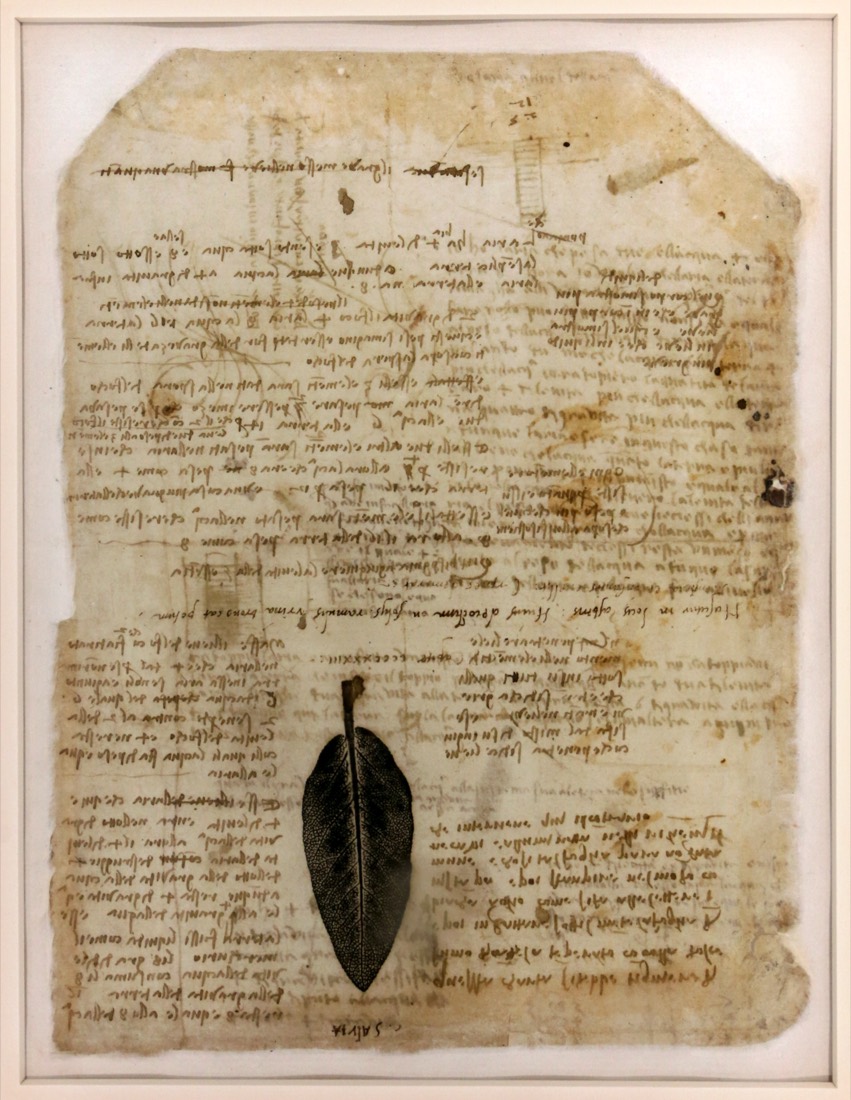
Folio 0d5f17c1
Italiano
Eccellentissimo Signore mio Duca,
Io scrivo a Vostra Eccellenza con la mano che non più obbedisce come un tempo, ma il pensiero non si placa per questo, anzi si affila nel silenzio della notte quando gli altri dormono e solo la cera stilla sul foglio e la memoria si fa più acuta del dolore. Il cavallo di bronzo — il grande cavallo che avrebbe dovuto sorgere come un monumento al vostro nome, al vostro dominio, alla vostra visione — giace ancora nell’argilla, incompiuto, come un sogno che resiste alla mano che vorrebbe afferrarlo. Non è colpa del metallo, non è colpa dell’artefice, ma di ciò che manca: la volontà di finirlo, la forza di vincere la materia che resiste, il tempo che fugge come acqua tra le dita.
Vostra Eccellenza ricorda bene il giorno in cui mi porgesti il bronzo fuso, pesante come il destino, e dicesti che il cavallo dovesse essere più grande del cielo sopra Milano, più possente del respiro dei vostri cavalli nelle scuderie di Porta Giovia. Io accettai il peso, ma non sapevo allora che il bronzo avrebbe richiesto non solo la fusione, ma anche la pazienza di un secolo, e che la mia mano, un tempo ferma come un compasso, ora trema come una foglia d’autunno. L’argilla è modellata, il calco è pronto, ma il bronzo aspetta ancora. Aspetta che qualcuno — io o un altro — decida di versarlo di nuovo, di dare forma al vuoto che è dentro il cavallo, a quella cavità che deve essere perfetta come un polmone perché il bronzo possa respirare.
Ho studiato il problema mille volte. Il forno deve essere costruito come una cattedrale, con canali che portino il fuoco dal basso verso l’alto senza bruciare la forma. Il metallo deve fluire come un fiume in piena, riempire ogni angolo del calco senza lasciare vuoti, senza creare tensioni che spezzino la statua come vetro sotto il martello. Ho disegnato i modelli, ho calcolato le proporzioni, ho pregato — sì, anche pregato — che il fuoco obbedisse alla ragione. Ma il fuoco è un servo infedele. Il bronzo si raffredda troppo in fretta, o troppo lentamente, e la forma si deforma, o si spezza. Ho perso due calchi già. Due volte ho visto la mia opera ridursi in polvere sotto i miei occhi.
Eppure, Signore, io non rinuncio. Perché il cavallo non è solo bronzo. È il simbolo del vostro potere, della vostra ambizione, della vostra volontà di essere ricordato come colui che ha fatto sorgere dalla terra un animale più grande di quelli che Dio ha creato. È l’emblema di ciò che Milano può essere: non solo una città di mercanti, ma una città di dei.
Ma ho bisogno di Vostra Eccellenza. Non per denaro — il denaro è già stato versato, e io non vivo di solo pane — ma per uomini. Uomini che sappiano accendere un fuoco senza bruciare se stessi, che sappiano versare il bronzo senza tremare, che sappiano aspettare il momento in cui il metallo si solidifica senza spezzarsi. Ho bisogno di un luogo, Signore, dove il forno possa essere costruito senza che i vicini gridino al pericolo. Ho bisogno di tempo, perché la fusione non è un atto, ma un rituale. E ho bisogno della vostra benedizione, perché senza di essa anche il bronzo più puro diventa solo un peso inutile.
Se mi concederete questi uomini, questo luogo, questo tempo, giuro sul mio onore che il cavallo sorgerà. Non sarà il cavallo che ho sognato vent’anni fa, ma sarà un cavallo che vivrà nei secoli, che farà tremare i cuori dei posteri quando guarderanno verso Milano e vedranno la sua ombra stagliarsi contro il cielo. E quando i posteri chiederanno chi abbia osato tanto, risponderanno: Ludovico Maria Sforza, detto Il Moro, che volle un cavallo più grande di Dio.
Aspetto la vostra risposta con la stessa ansia con cui aspetto il momento in cui il bronzo fluirà come un fiume di stelle.
Il vostro umilissimo servo,
Leonardo da Vinci
English
Most Excellent Lord, my Duke,
I write to Your Excellency with a hand that no longer obeys as once it did, yet the thought does not quiet itself. Rather, it sharpens in the silence of night when others sleep and only the wax drips upon the page, and memory becomes keener than pain. The bronze horse—the great horse that was to rise as a monument to your name, to your dominion, to your vision—still lies in the clay, unfinished, like a dream that resists the hand that would grasp it. It is not the fault of the metal, nor of the craftsman, but of what is missing: the will to finish it, the strength to conquer the resistant matter, the time that flees like water through the fingers.
Your Excellency remembers well the day you placed the molten bronze in my hands, heavy as fate, and said the horse must be larger than the sky above Milan, mightier than the breath of your horses in the stables of Porta Giovia. I accepted the weight, but I did not know then that the bronze would demand not only the casting, but the patience of a century, and that my hand, once steady as a compass, now trembles like an autumn leaf. The clay is shaped, the mold is ready, but the bronze waits still. It waits for someone—myself or another—to decide to pour it again, to give form to the void within the horse, to that cavity which must be perfect as a lung so the bronze may breathe.
I have studied the problem a thousand times. The furnace must be built like a cathedral, with channels that carry fire from below upward without burning the form. The metal must flow like a river in flood, filling every corner of the mold without leaving voids, without creating tensions that crack the statue like glass beneath the hammer. I have drawn the models, calculated the proportions, prayed—yes, even prayed—that the fire would obey reason. But fire is a faithless servant. The bronze cools too quickly, or too slowly, and the form warps, or shatters. I have lost two molds already. Twice I have watched my work crumble to dust beneath my eyes.
And yet, my Lord, I do not abandon it. For the horse is not merely bronze. It is the symbol of your power, your ambition, your will to be remembered as he who made rise from the earth an animal greater than those God created. It is the emblem of what Milan may be: not only a city of merchants, but a city of gods.
But I need Your Excellency. Not for gold—the gold has already been paid, and I do not live on bread alone—but for men. Men who know how to kindle fire without burning themselves, who know how to pour bronze without trembling, who know how to wait for the moment when the metal solidifies without cracking. I need a place, my Lord, where the furnace may be built without neighbors crying out in danger. I need time, for the casting is not an act, but a ritual. And I need your blessing, for without it even the purest bronze becomes only a useless weight.
If you grant me these men, this place, this time, I swear on my honor that the horse will rise. It will not be the horse I dreamed twenty years ago, but it will be a horse that lives through the centuries, that will make the hearts of posterity tremble when they look toward Milan and see its shadow against the sky. And when posterity asks who dared so much, they will answer: Ludovico Maria Sforza, called Il Moro, who willed a horse greater than God.
I await your reply with the same anxiety with which I await the moment when the bronze flows like a river of stars.
Your most humble servant, Leonardo da Vinci